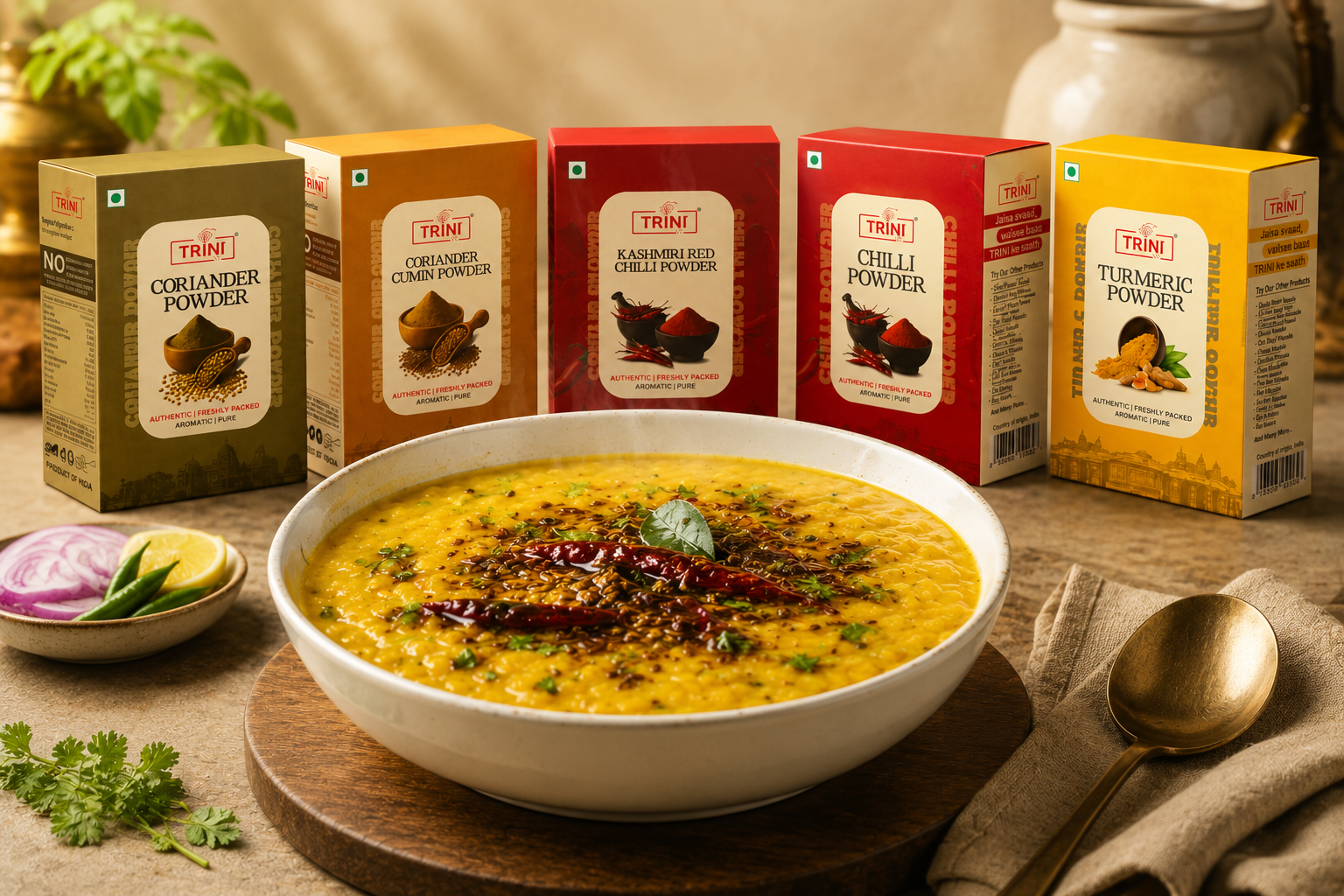
Dal is one of the simplest foods in an Indian kitchen. It doesn’t rely on fancy ingredients or complicated techniques. In fact, most dals are made with the basics—lentils, water, salt, and a few spices. And yet, somehow, a good bowl of dal can feel deeply comforting, rich in flavor, and impossible to forget.
So what creates that difference?
The answer lies almost entirely in the spices.
Without spices, dal is plain and one-dimensional. But with the right combination of turmeric, cumin, chili, coriander, hing, and garam masala, that same simple dal transforms into something layered, aromatic, and full of life. The beauty of Indian cooking is that even the most humble ingredients become extraordinary when spices are used thoughtfully.
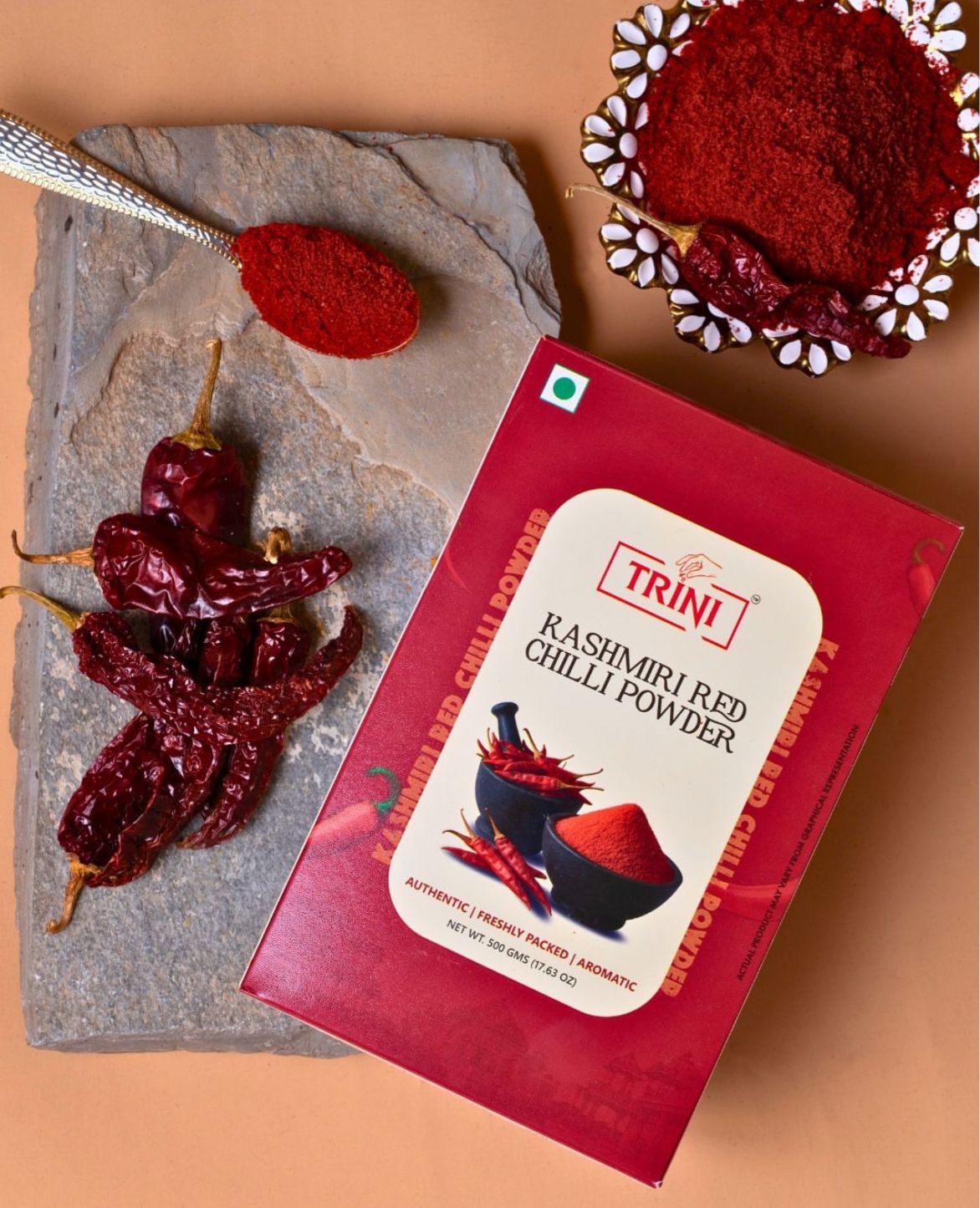
At Trini, this transformation matters deeply. By using traditional sun-drying methods and preserving the natural oils of spices, Trini ensures that everyday cooking—even something as simple as dal—feels richer, more authentic, and more flavorful.
The First Layer: Turmeric Creates Warmth & Depth
Every good dal usually begins with turmeric. It may seem like a small addition, but it quietly shapes the entire dish.
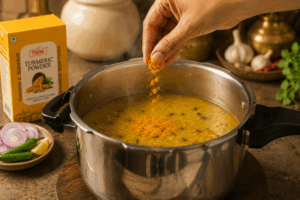
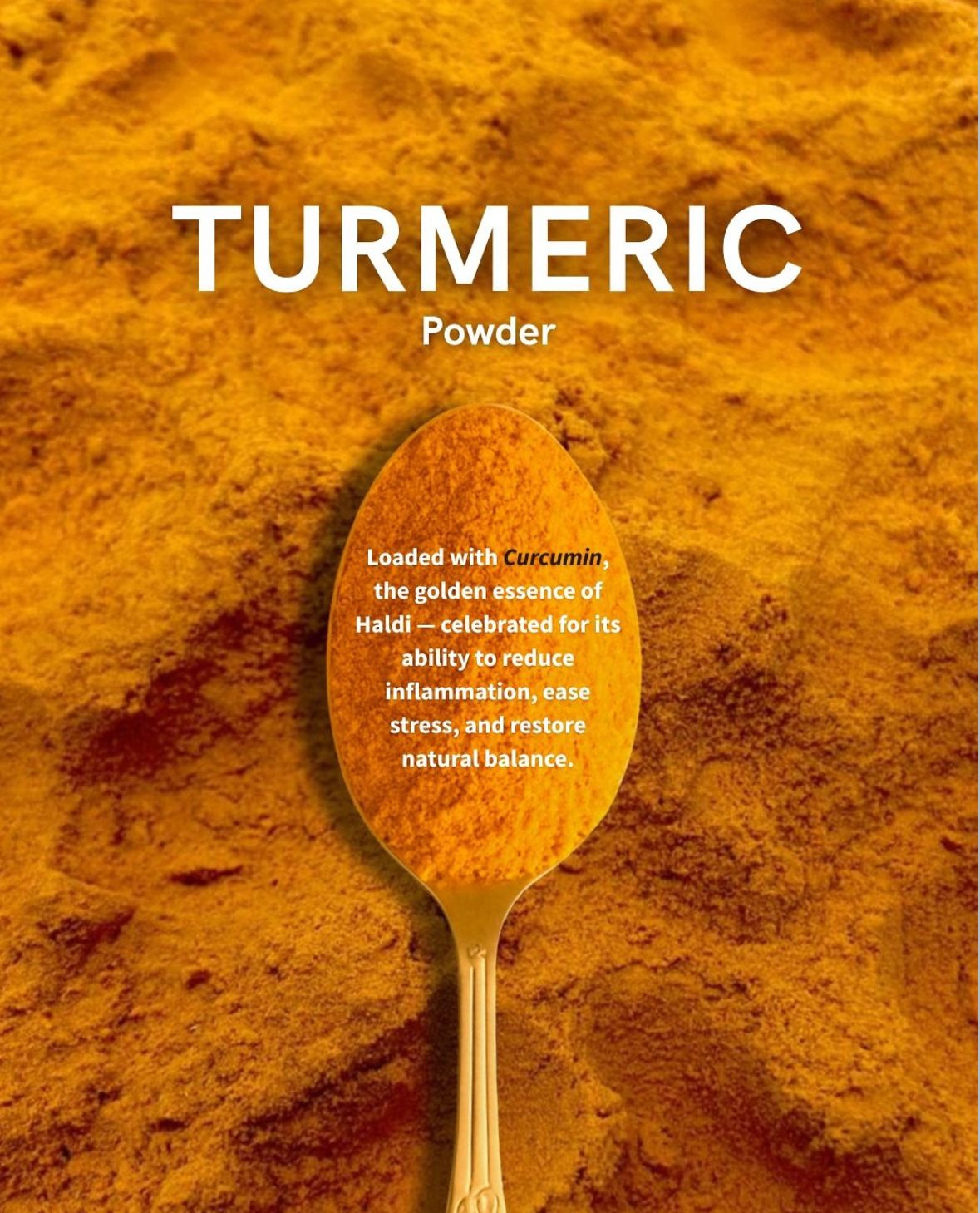
Trini Turmeric Powder brings warmth, color, and an earthy depth that makes dal feel complete from the very beginning. When added while boiling lentils, turmeric blends into the dal slowly, creating that golden richness Indian households instantly recognize.
But turmeric does more than improve appearance. It balances the natural softness of lentils and creates a subtle warmth that stays in the background without overpowering the dish. When the turmeric is fresh and pure, like Trini’s traditionally processed turmeric, the flavor feels smoother and more natural instead of harsh or bitter.
This is why even plain yellow dal starts feeling comforting before any tadka is added—the turmeric has already begun building the flavor foundation.
The Tadka Is Where the Real Magic Happens
If turmeric builds the base, tadka creates the explosion of flavor.
The moment cumin seeds hit hot ghee or oil, the aroma changes completely. The kitchen suddenly feels alive. Add hing, garlic, green chili, or dried red chili, and that fragrance becomes impossible to ignore.
This is the moment where simple dal transforms.
Fresh spices release their natural oils into the hot fat, spreading flavor through the entire dish. And because Trini spices are sun-dried and carefully processed, their aroma blooms beautifully during tadka instead of fading away quickly.
Cumin adds earthiness.
Red chili creates warmth.
Hing sharpens the aroma.
Coriander balances everything with freshness.
Together, they create layers of flavor that make dal taste much more complex than it actually is.
Why Simple Dal Depends on Spice Quality More Than Rich Dishes
Interestingly, spices matter even more in dal than in rich curries.
In heavy gravies, butter, cream, onions, and tomatoes can hide weak spices. But dal is minimal. There’s nowhere for poor-quality masalas to hide.
If your turmeric lacks aroma, you’ll notice it immediately.
If the cumin feels stale, the tadka falls flat.
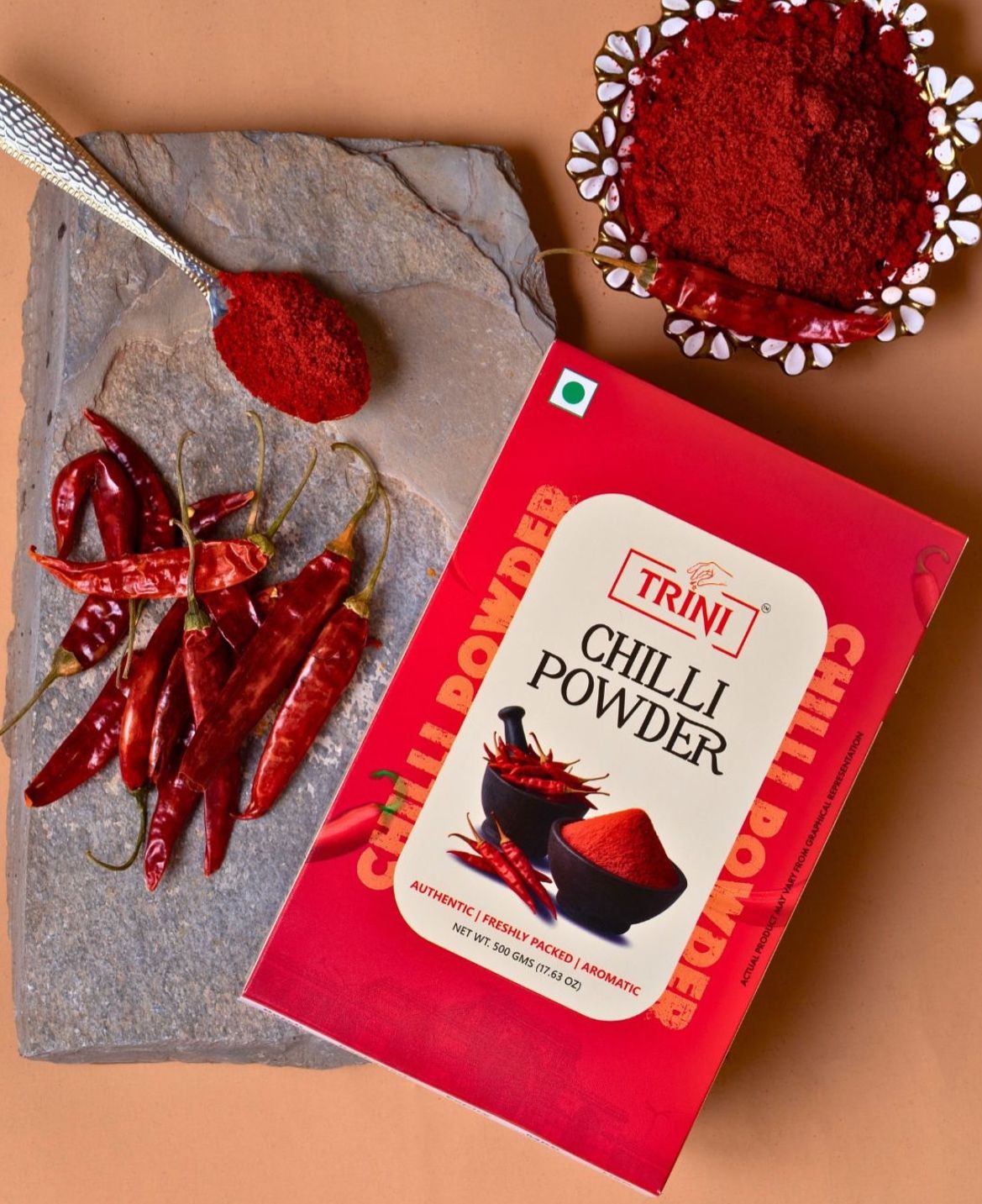
If the chili powder tastes artificial, the entire dish feels unbalanced.
That’s why good dal depends heavily on fresh, pure spices.
At Trini, every spice is designed to retain its natural aroma and depth. This allows even everyday recipes to feel more flavorful without needing excessive ingredients or heavy cooking.
Coriander Powder Brings Balance
One spice that quietly changes dal more than people realize is coriander powder.
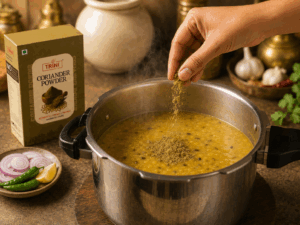
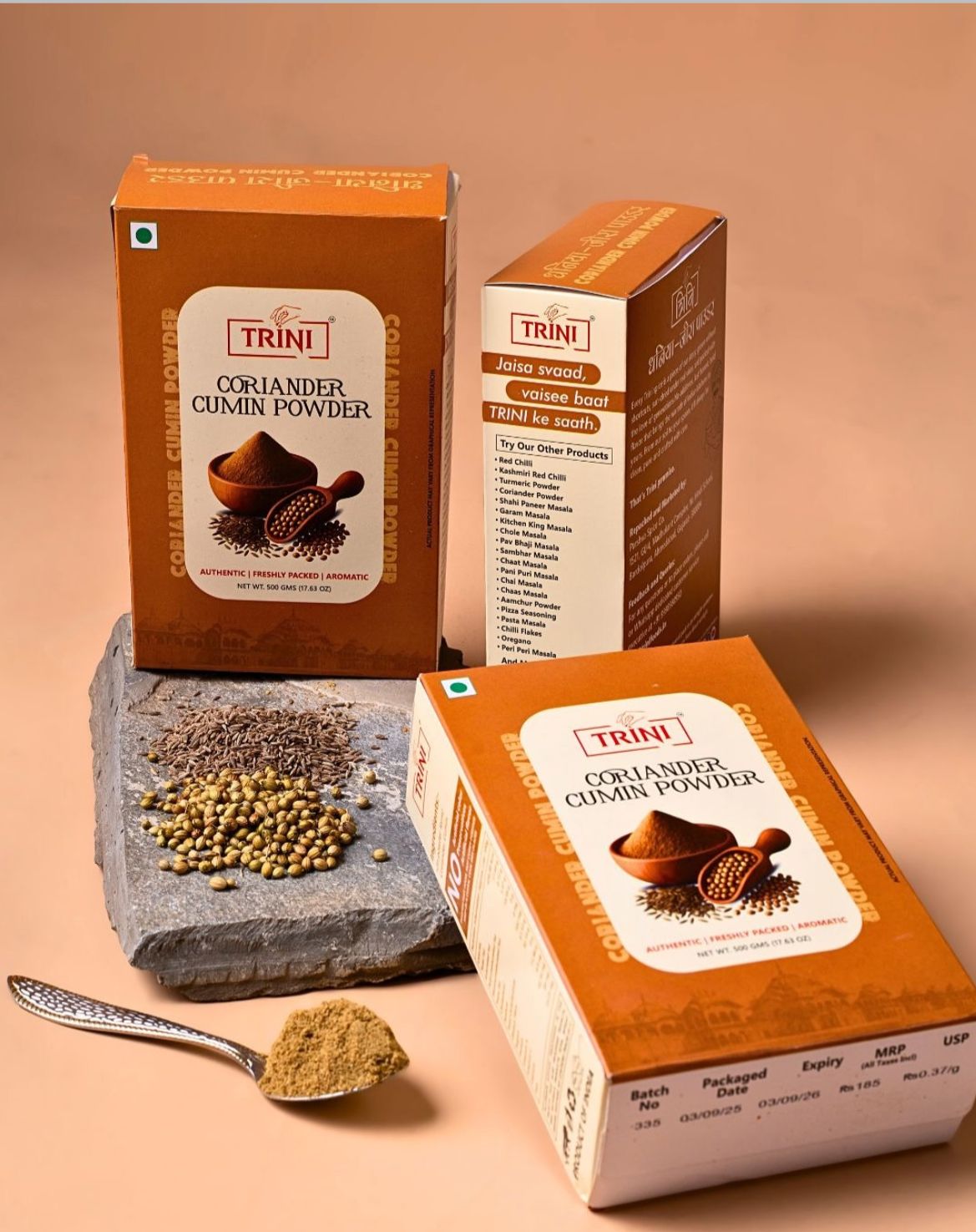
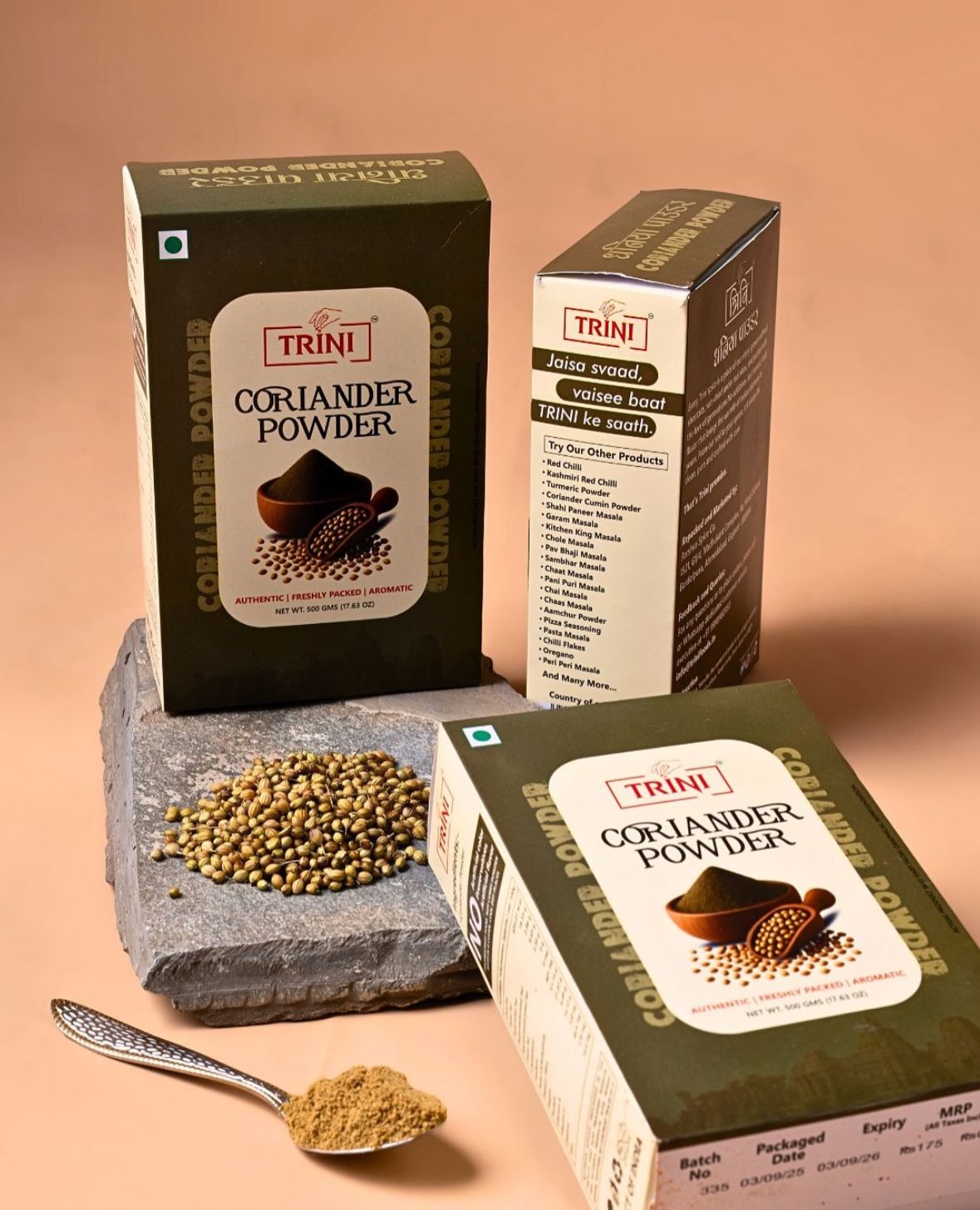
A small amount of Trini Coriander Powder adds freshness and softness to the flavor profile. It prevents the dal from tasting too sharp or too earthy. Instead, everything starts feeling more rounded and balanced.
Traditional Indian cooking always relied on this kind of balance. Spices weren’t added randomly—they each had a purpose.
Turmeric for warmth.
Cumin for aroma.
Coriander for freshness.
Chili for heat.
Hing for digestive depth.
When these spices work together properly, even the simplest dal starts tasting layered and deeply satisfying.
Garam Masala Adds Final Warmth
Not every dal needs garam masala—but when used correctly, it creates a beautiful finishing touch.
A pinch of Trini Garam Masala added at the end of cooking gives the dal a deeper aroma and richer finish. Instead of making the dish spicy, it creates warmth that lingers gently after every bite.
The key is moderation.
Traditional cooking rarely overloaded dal with garam masala. It was added lightly to enhance, not dominate. And when the blend is made from quality spices like cinnamon, cloves, and cardamom, the effect feels smooth and comforting rather than overpowering.
The Emotional Connection of Dal & Spices
Part of what makes dal so special is emotional.
The smell of tadka reminds people of home.
The aroma of turmeric boiling in lentils feels familiar.
The sound of cumin crackling in ghee instantly creates comfort.
These are small sensory moments that stay with us for years.
And spices are responsible for all of it.
Without them, dal becomes functional food. With them, it becomes something personal.
At Trini, this emotional side of cooking matters just as much as flavor. By preserving traditional spice-making methods and focusing on purity, Trini helps recreate the kind of aroma and warmth many people grew up with in their homes.
Why Traditional Spice Processing Makes a Difference
Freshness changes everything.
When spices are processed aggressively or stored poorly, they lose their natural oils—the very thing responsible for aroma and depth. This is why some dals taste flat even when the recipe is correct.
Trini’s traditional sun-drying process helps preserve those oils naturally. This means the spices respond beautifully during cooking, especially during tadka where aroma matters most.
You notice it immediately:
- stronger fragrance
- deeper flavor
- smoother spice balance
- more satisfying finish
And because the spices are GMO-free and preservative-free, the flavor feels cleaner and more authentic.
Simple Ingredients, Powerful Flavor
The beauty of dal is that it proves you don’t need expensive ingredients to create incredible food.
A handful of lentils.
Some ghee.
A few spices.
That’s all it takes.
But when those spices are fresh, pure, and thoughtfully made, they completely transform the experience. Suddenly, simple dal doesn’t feel simple anymore—it feels rich, comforting, aromatic, and deeply satisfying.
That’s the quiet power of spices.
And that’s exactly why Indian cooking has always respected them so deeply.