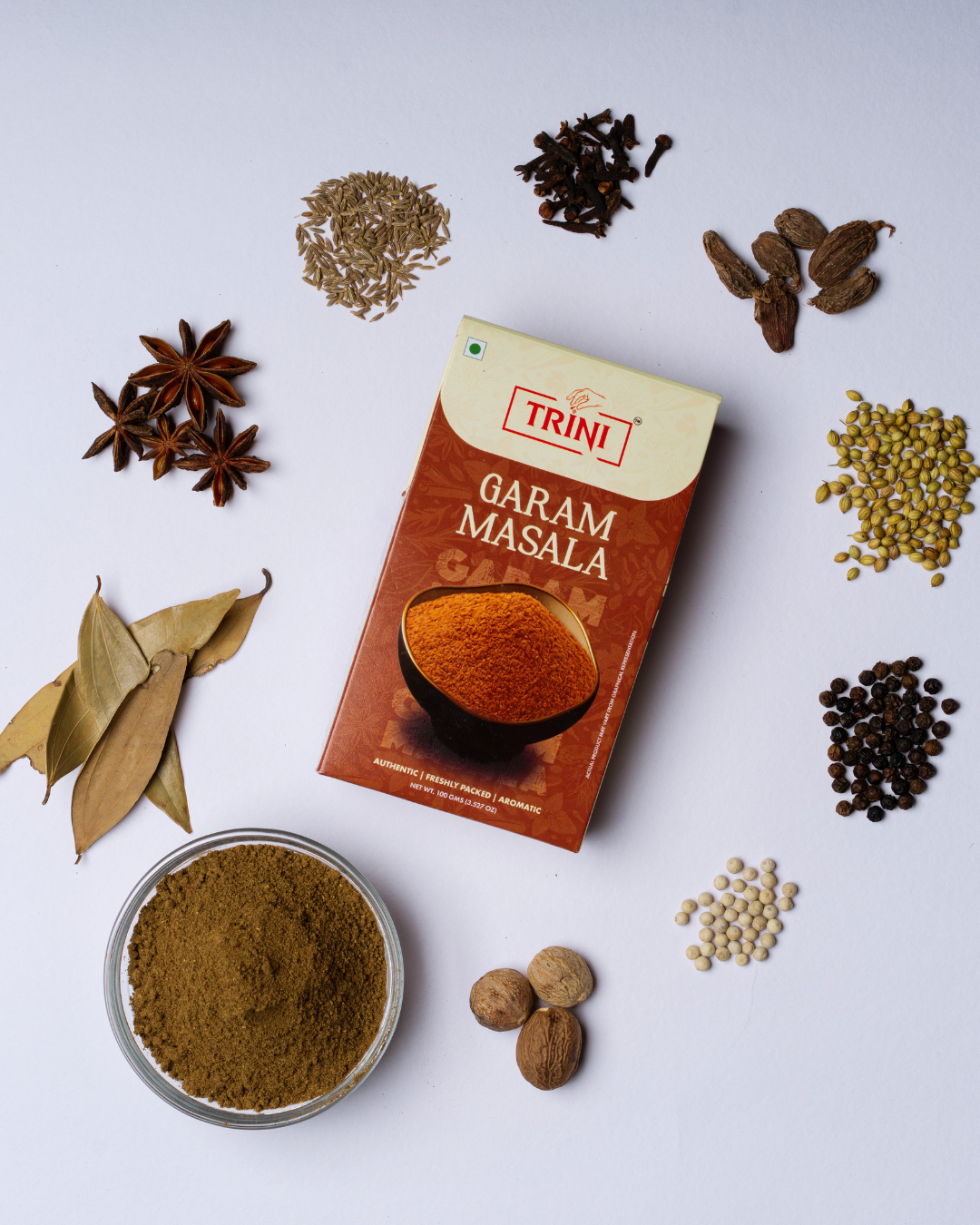
For many of us, garam masala is that final sprinkle—the last step before serving, almost like a finishing touch. And while that’s not wrong, it’s only half the story. In traditional Indian cooking, garam masala isn’t just a garnish. It’s layered thoughtfully into the dish, sometimes early, sometimes midway, sometimes at the end—each stage bringing out a different side of its character.
Garam masala is a blend, not a single spice. It usually includes ingredients like cinnamon, cloves, cardamom, black pepper, and more—each carrying its own warmth and depth. When combined, they create something complex and aromatic. But how you use it determines whether that complexity truly shows up in your food or stays hidden in the background.
Traditionally, cooking was never rushed. Spices were added with intention, depending on what the dish needed at that moment. And garam masala, because of its layered nature, was used in more than one way.
One of the most important traditional uses of garam masala is early infusion. Instead of waiting until the end, a small amount is sometimes added while the base of the dish is cooking—usually after onions and tomatoes have softened. At this stage, the masala blends into the gravy, allowing its deeper notes to develop slowly. It doesn’t dominate the dish; it becomes part of its foundation. This is what gives many traditional curries that subtle warmth you can’t quite point out but definitely feel.
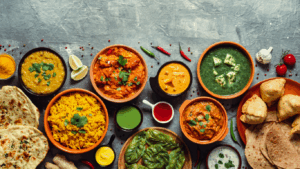
Another approach is using garam masala during the mid-cooking stage. Once the main ingredients—vegetables, lentils, or meat—are added, a pinch of garam masala can help bring everything together. At this point, it acts like a bridge, connecting the flavors of the base with the main ingredient. It enhances the overall taste without overpowering it, creating a sense of balance.
And then, of course, comes the final touch, which most of us are familiar with. Adding garam masala at the end releases its most aromatic qualities. Since it hasn’t been exposed to heat for long, its fragrance remains strong and noticeable. This is what gives that fresh, inviting aroma when the dish is served.
But here’s the key difference: when you use garam masala only at the end, you get aroma without depth. When you use it throughout the cooking process, you get both.
Another traditional method that’s often overlooked is pairing garam masala with tadka or tempering. While it’s not always used in the initial tempering like cumin or mustard seeds, in some recipes, a light roasting of garam masala in ghee at a controlled temperature can deepen its flavor even further. The warmth of the ghee helps release the oils gently, making the masala more expressive.
Of course, all of this depends on one very important factor—the quality of the garam masala itself. A well-balanced blend made from carefully selected spices behaves very differently from something that’s overly processed or stale. Freshness matters because garam masala relies heavily on essential oils for its aroma and flavor.
At Trini, garam masala is crafted keeping this traditional approach in mind. The spices are sun-dried using time-honored methods and processed with care to retain their natural oils. This ensures that whether you add it early, midway, or at the end, it responds beautifully—releasing layers of flavor just as it’s meant to.
Using garam masala the traditional way doesn’t mean complicating your cooking. It simply means being a little more mindful about when and how you use it. Even small changes—like adding a pinch earlier in the process—can make a noticeable difference.
Over time, you’ll start to understand how it behaves in different dishes. In a rich curry, it might need to be layered. In a light sabzi, just a finishing touch might be enough. There’s no single rule—only an understanding that garam masala is more than just a last step.
Because when used thoughtfully, it doesn’t just add flavor—it completes the dish.