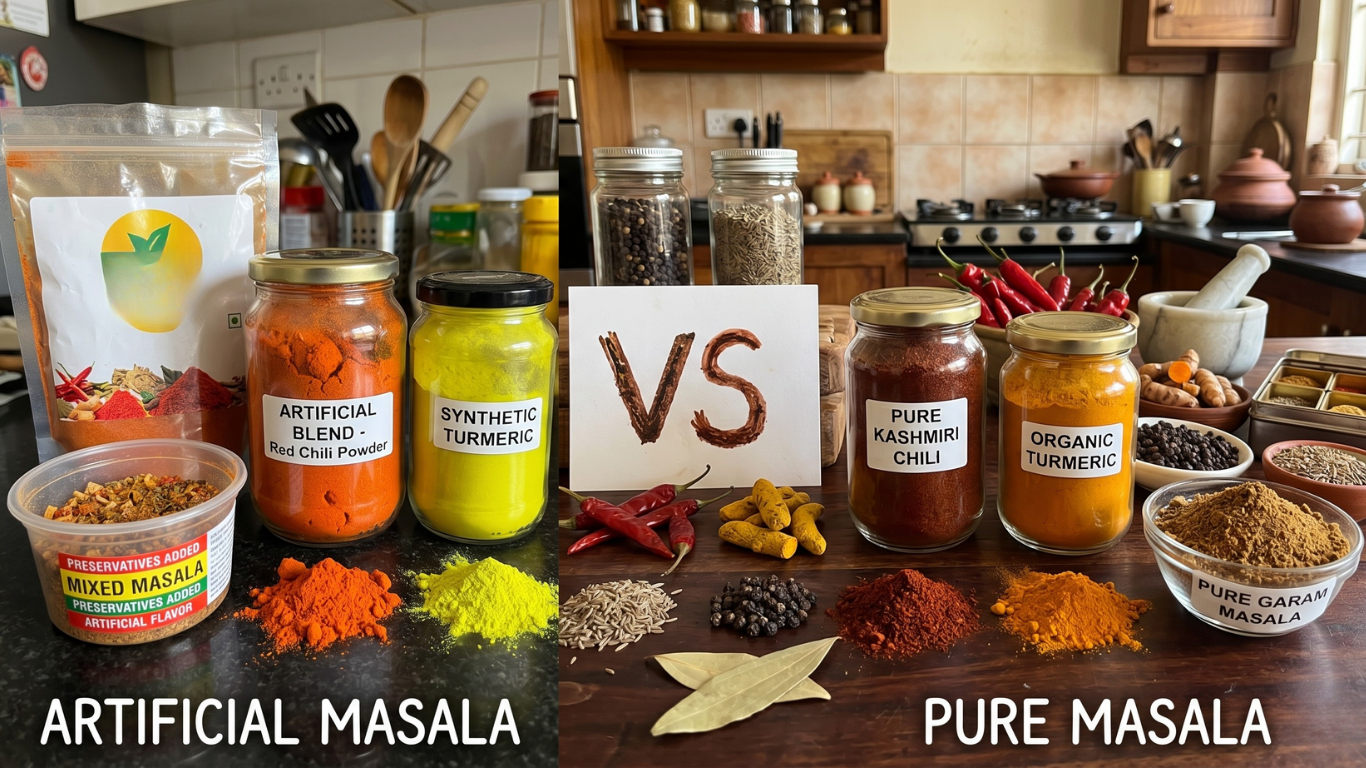
There’s a certain trust we place in the spices we use every day. We assume they’re pure, authentic, and good for our food. But the reality is, not all spices are what they claim to be. Adulteration—mixing spices with artificial colors, fillers, or low-quality substitutes—is more common than most people realize. And the tricky part? It’s not always easy to spot at first glance.
In Indian cooking, where spices are the foundation of every dish, this becomes even more important. Because when your spices aren’t pure, everything changes—the flavor, the aroma, even how your body responds to the food. That’s why learning to identify real, unadulterated spices at home isn’t just useful—it’s essential. And once you know what to look for, the difference becomes surprisingly clear.
One of the first things to trust is your sense of smell. Pure spices have a strong, natural aroma that feels rich but not artificial. When you open a pack of fresh spices, the fragrance should hit you immediately—it should feel warm, earthy, and authentic. If the smell is faint, overly sharp, or slightly chemical, it’s often a sign that the spice has either lost its natural oils or has been tampered with. Spices are meant to smell alive. If they don’t, something is missing.

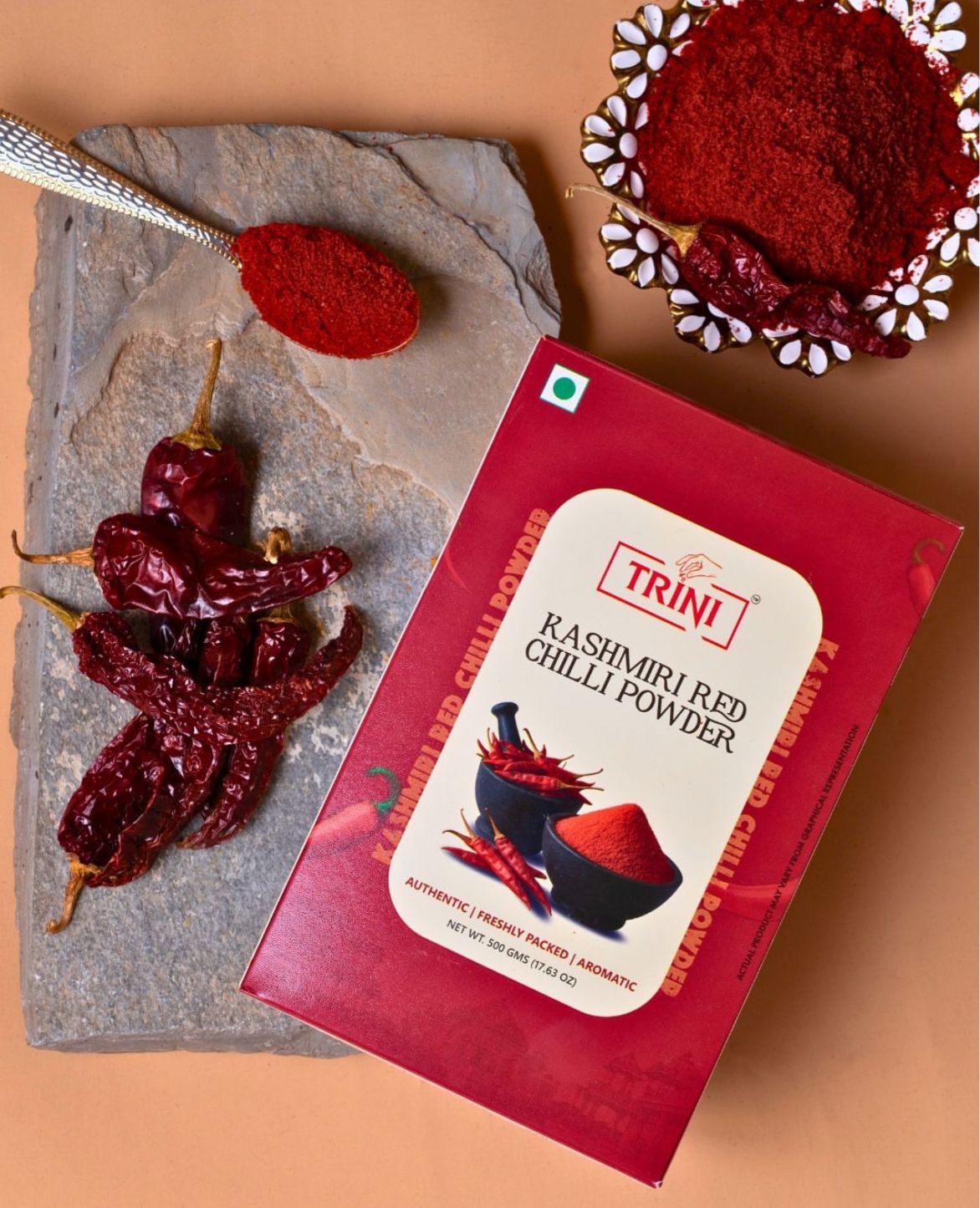
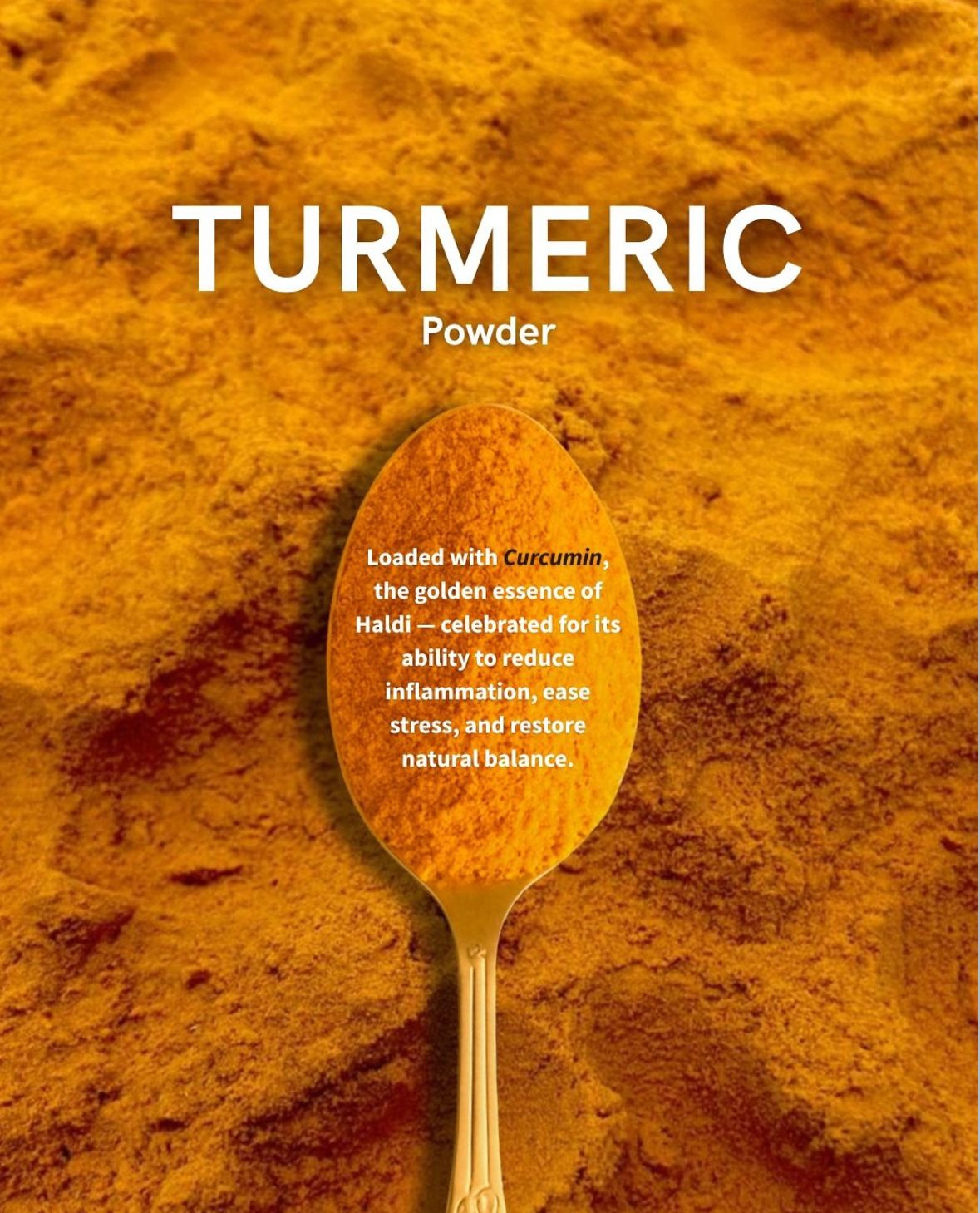
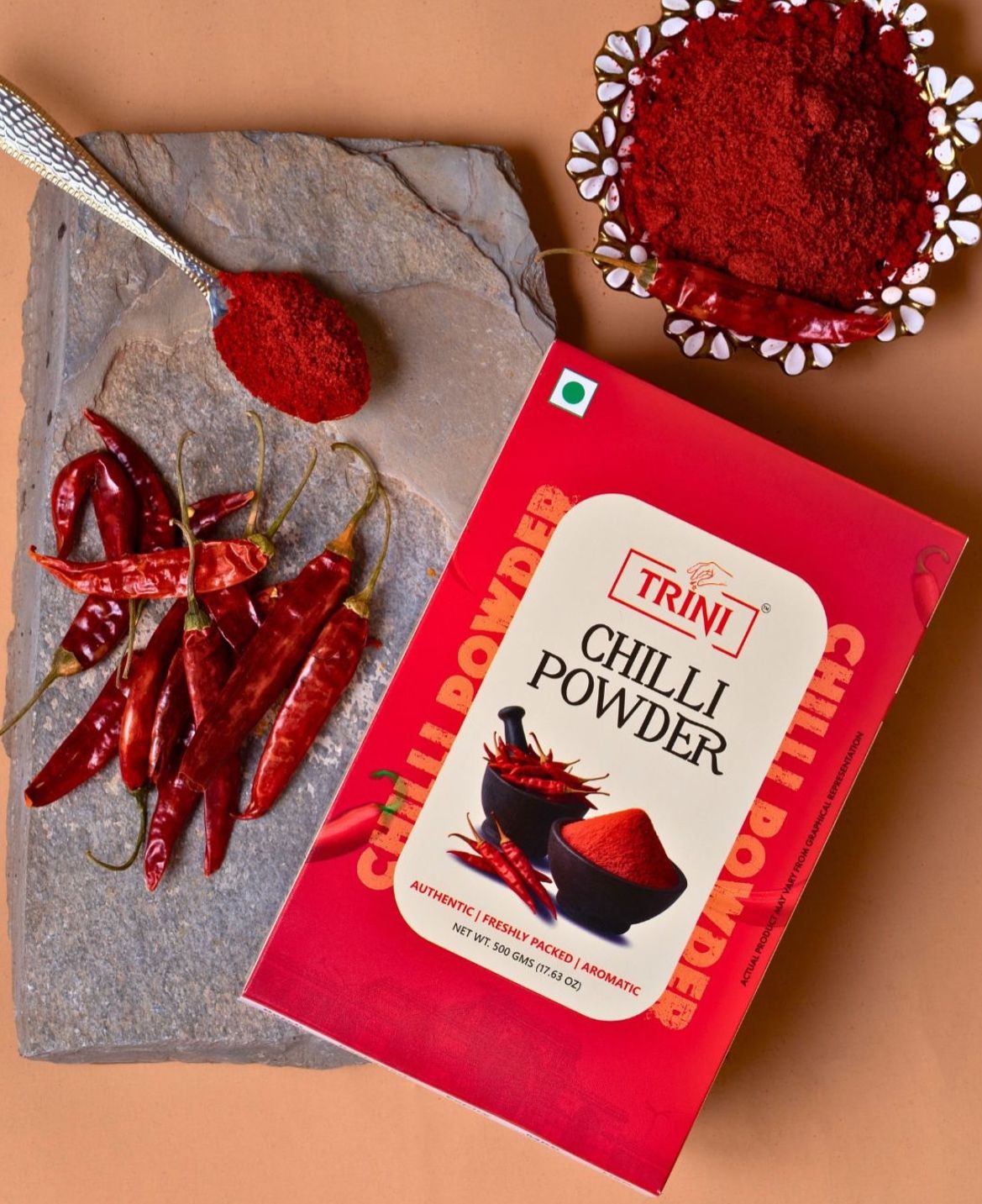
Another simple way to identify purity is by observing the color. Natural spices rarely look unnaturally bright or overly uniform. For example, turmeric should have a warm yellow tone—not a neon-like brightness. Red chili powder should look deep and slightly earthy, not artificially glowing. Extremely vibrant colors can sometimes indicate the presence of synthetic dyes added to enhance visual appeal. Real spices may look slightly uneven, but that’s part of their authenticity.
Texture also tells a story. When you touch pure spice powder, it should feel natural—not overly smooth or dusty in an artificial way. Some adulterated spices are mixed with starches or fillers to increase volume, which can change the texture. Whole spices, on the other hand, should feel firm, intact, and not overly brittle or broken into too many fragments. These small physical cues often reveal more than labels do.
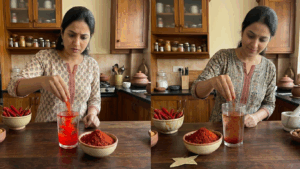
A very effective method you can try at home is the water test. Take a small pinch of spice and add it to a glass of water. Pure spices usually settle slowly and release color gradually. If the water immediately turns bright or leaves streaks of artificial color, it could indicate added dyes. For example, chili powder with artificial coloring may release a sharp red streak instantly, while natural chili powder disperses more subtly. This test is simple, quick, and surprisingly revealing.
Taste is another important indicator. Pure spices have a balanced, natural taste that develops gradually. Adulterated spices may taste unusually bitter, excessively sharp, or even slightly synthetic. While tasting raw spices isn’t something we do often, even a small pinch can help you understand whether the spice feels authentic or not. Over time, your palate becomes more aware, making it easier to spot the difference.
Simple Ways to Check Spice Purity at Home
- Check for a strong, natural aroma—not chemical or overly mild
- Observe color carefully—avoid spices that look unnaturally bright
- Feel the texture—pure spices are not overly powdery or artificially smooth
- Do a water test to detect added colors or impurities
- Notice the taste—it should feel balanced and natural
- Look at whole spices—they should be intact and not overly broken
- Buy in small quantities to ensure freshness and reduce risk
These small checks can help you become more confident about what you’re using in your kitchen. They don’t require any special tools—just a bit of awareness and attention.
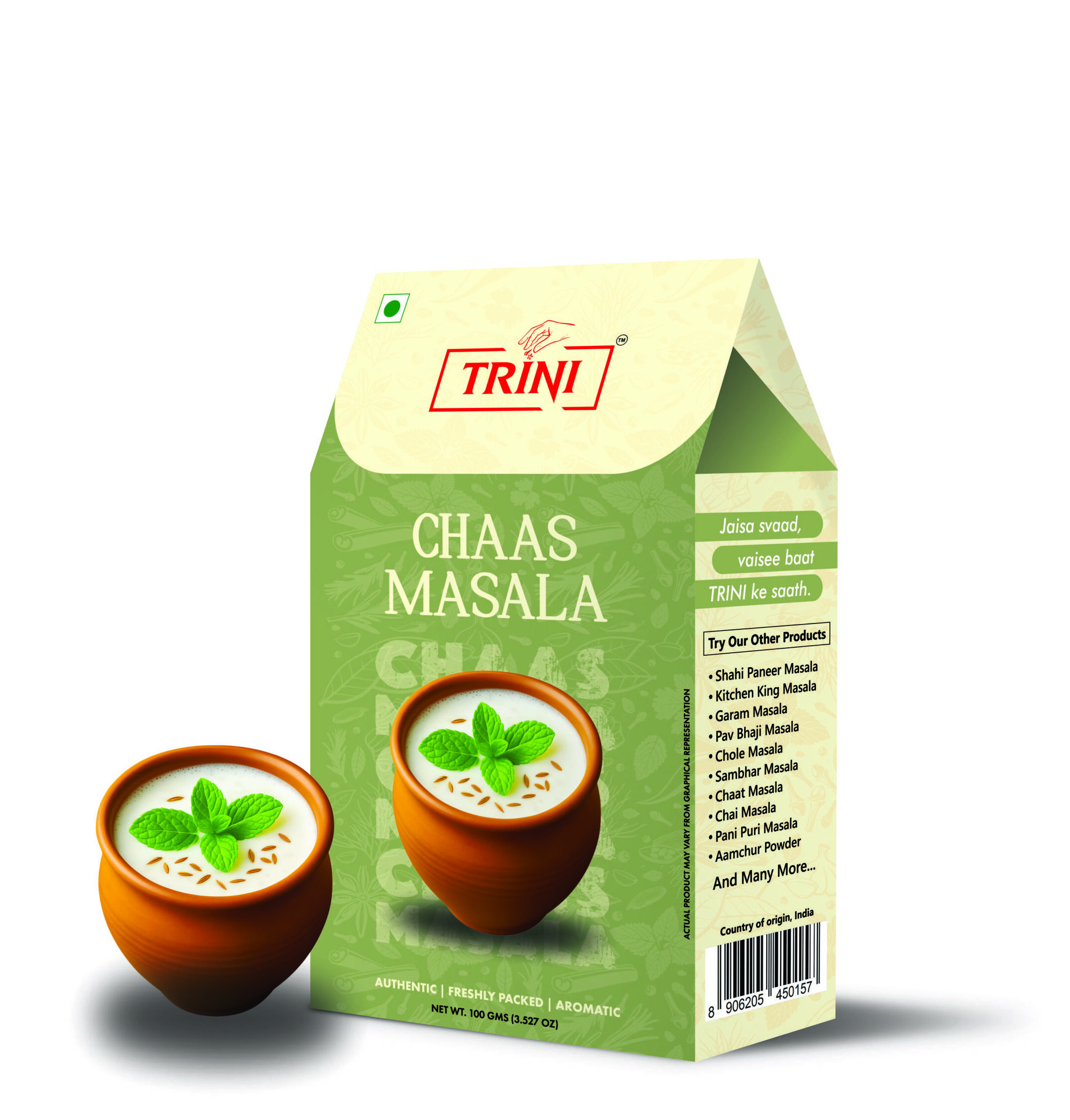
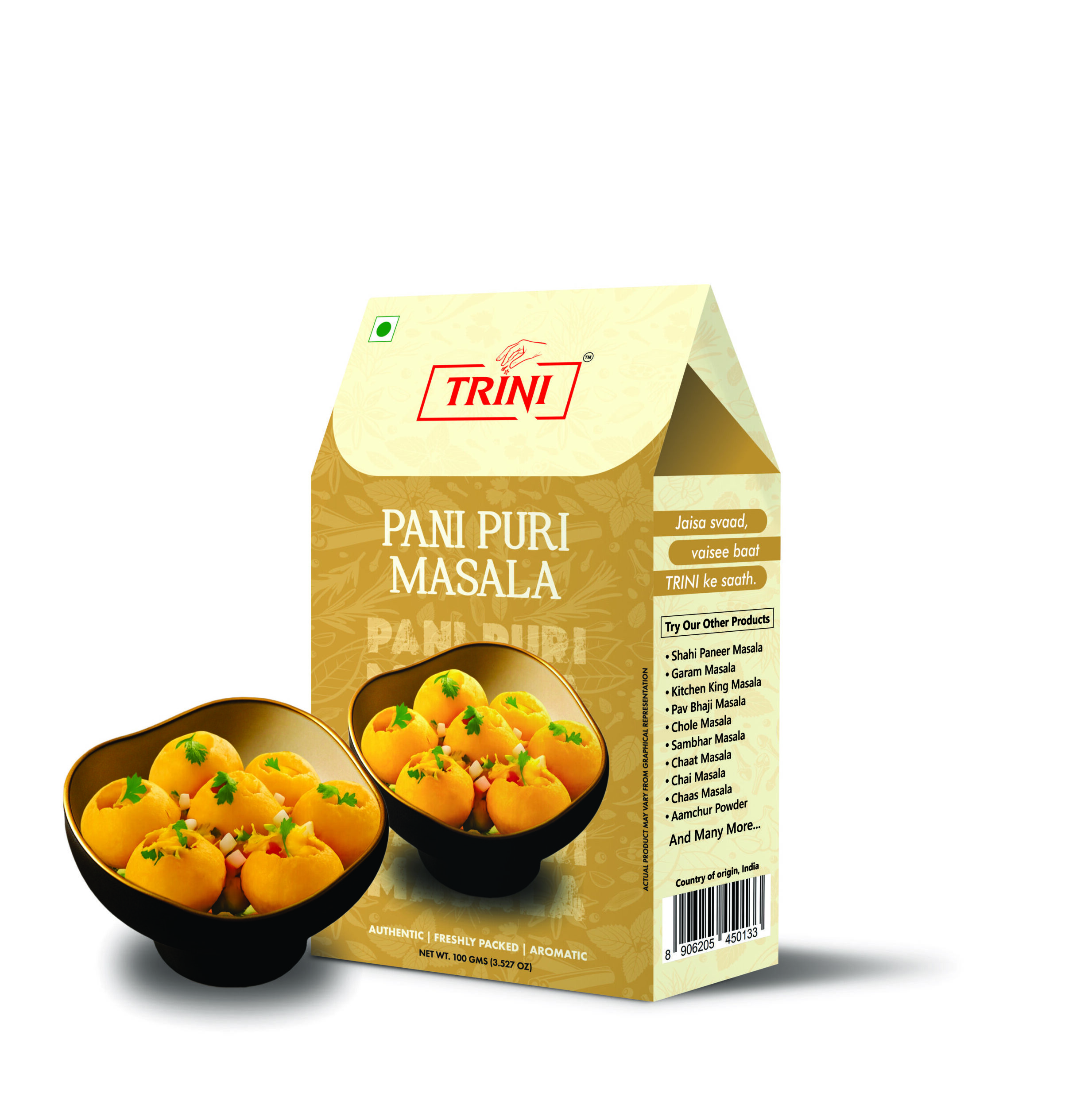
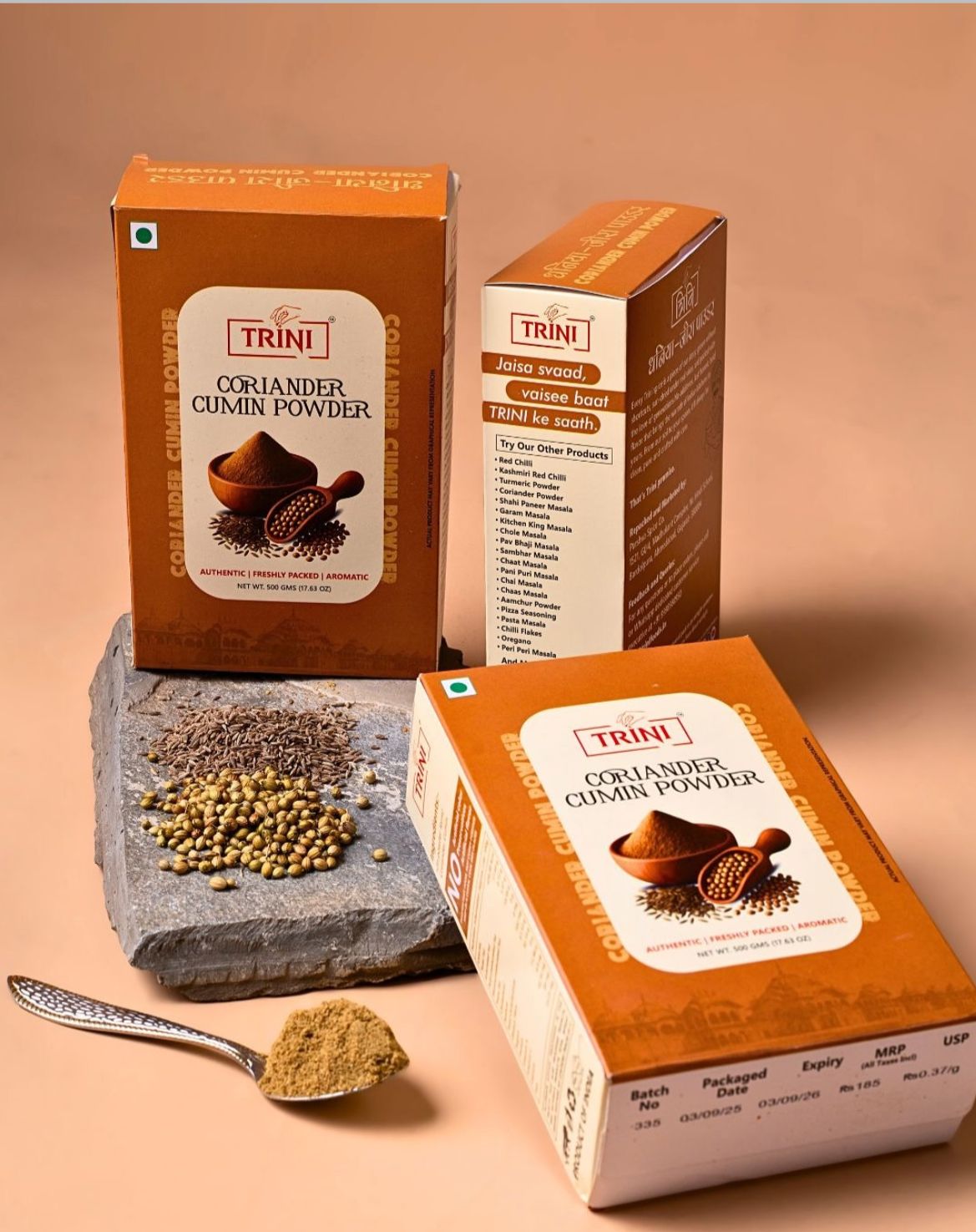
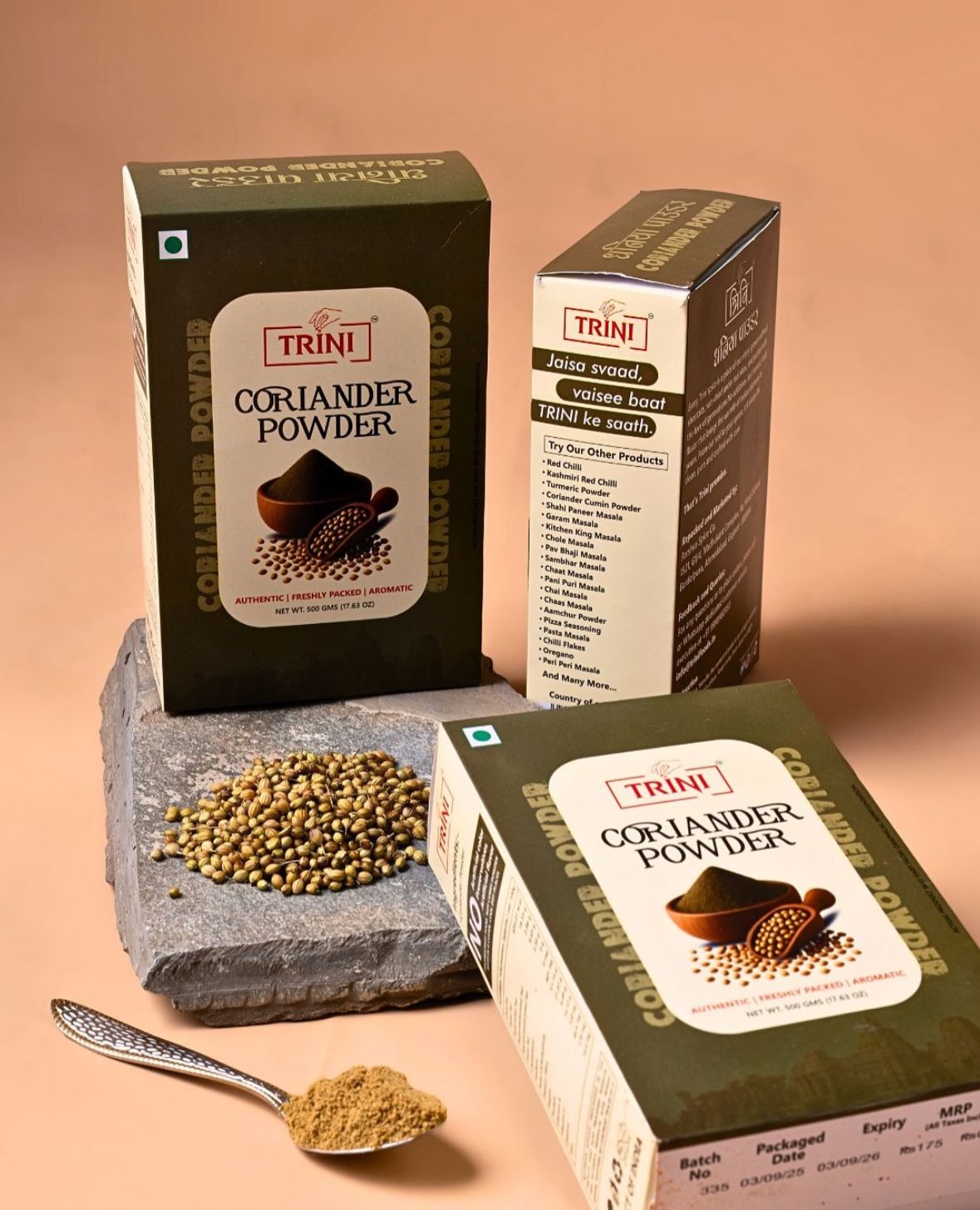
At the same time, one of the most reliable ways to ensure purity is choosing the right brand. Because while home tests can help you identify issues, starting with a trusted source reduces the risk altogether. This is where Trini stands apart. With a strong focus on quality sourcing, traditional processing methods like sun-drying, and a commitment to being GMO-free and preservative-free, Trini ensures that what reaches your kitchen is clean, authentic, and true to its origin.
When spices are pure, the difference isn’t just visible—it’s something you experience. The aroma while cooking feels richer. The flavors in your food feel more complete. Even simple dishes start to taste better, more satisfying. That’s because pure spices don’t just add flavor—they bring integrity to your cooking.
There’s also a deeper connection here. In traditional Indian kitchens, spices were always handled with care. They were cleaned, dried, and ground at home, ensuring complete control over quality. While we may not follow those exact processes today, the intention remains the same—to use ingredients that are real and trustworthy. Choosing pure spices is a way of carrying that tradition forward.
Over time, as you become more aware of what goes into your food, these choices start to feel natural. You begin to notice the difference between something that’s just acceptable and something that’s truly good. And that awareness changes the way you cook—not by making it more complicated, but by making it more thoughtful.
Because in the end, good cooking isn’t just about recipes or techniques. It’s about the ingredients you trust. And when your spices are pure, everything else falls into place.