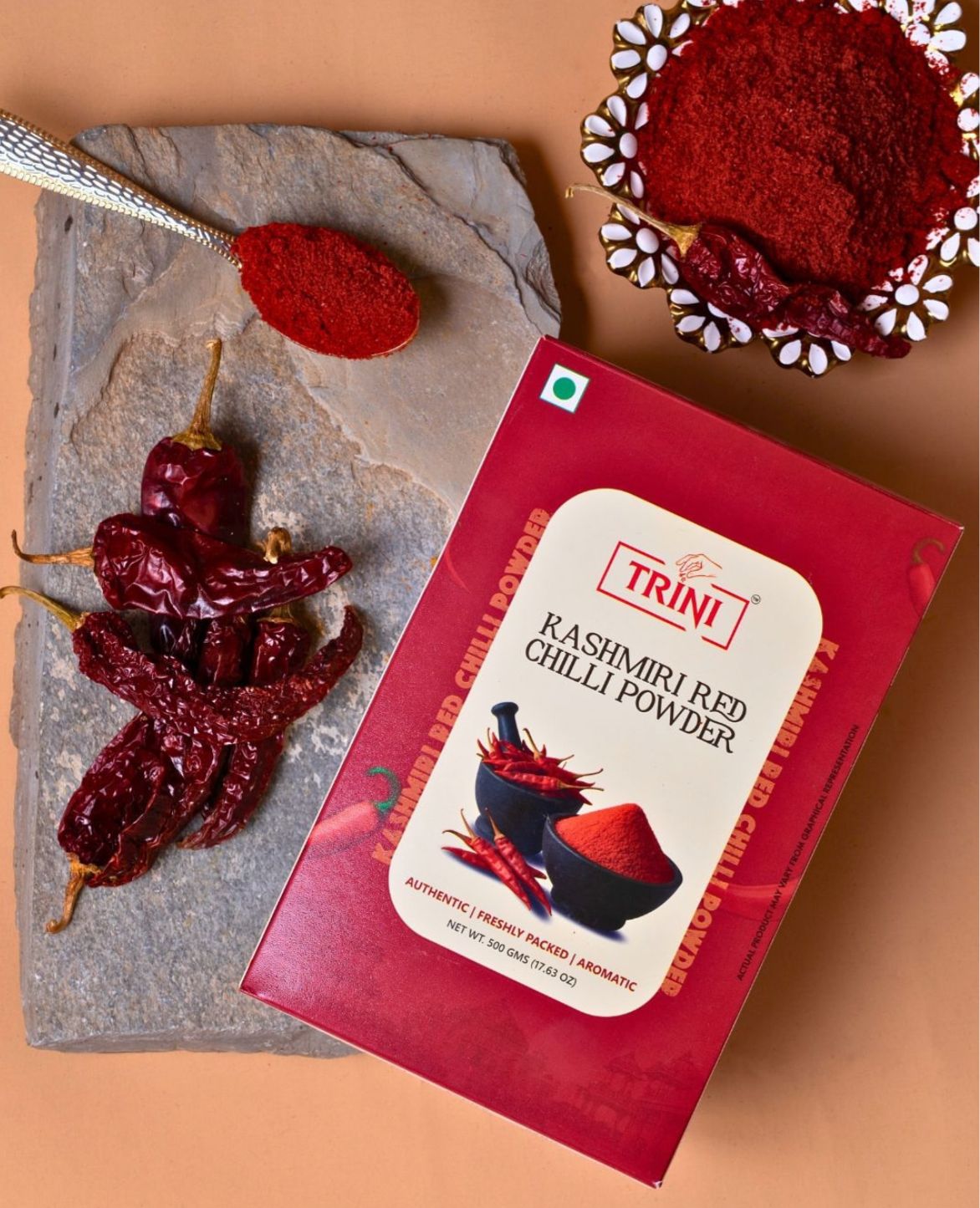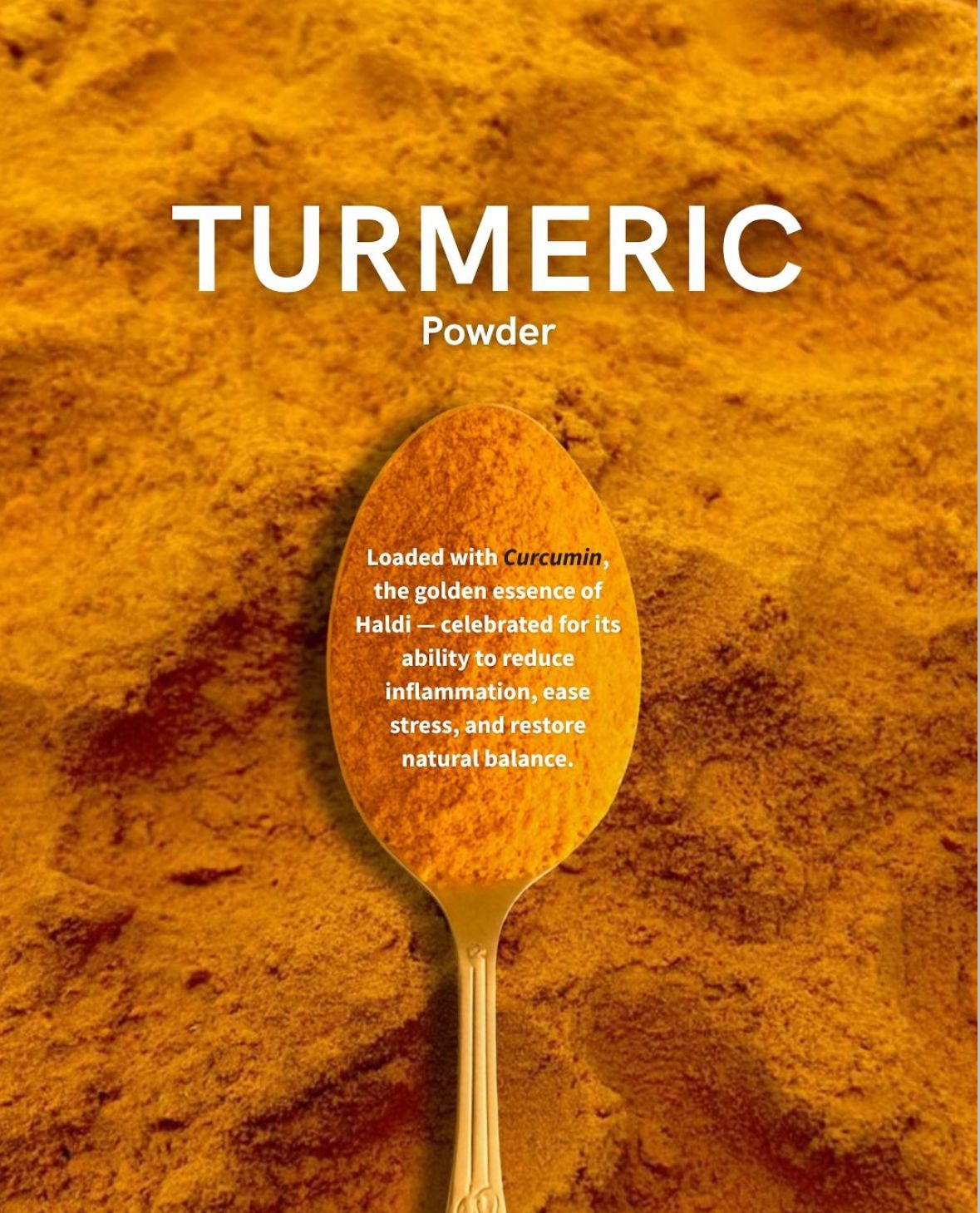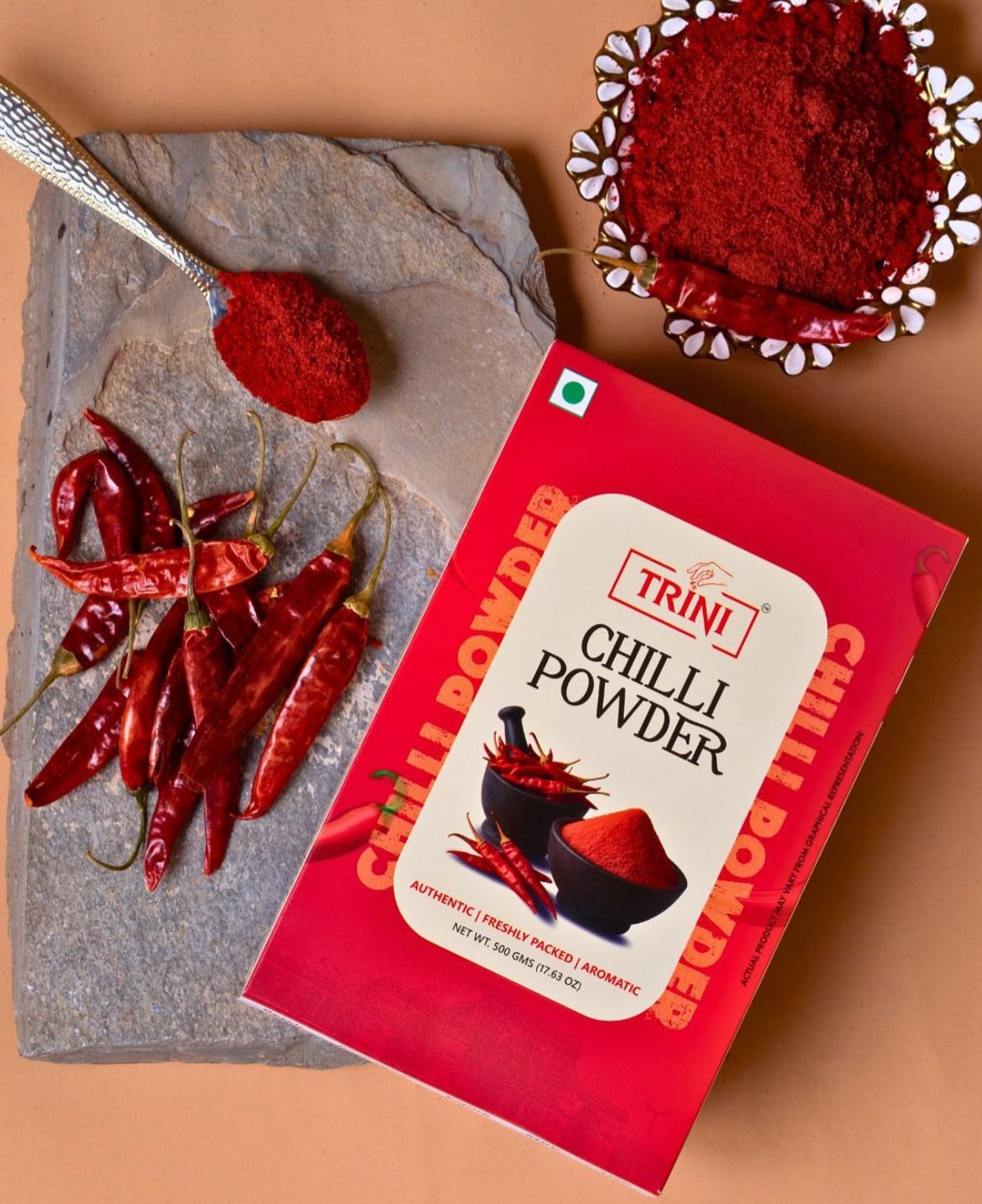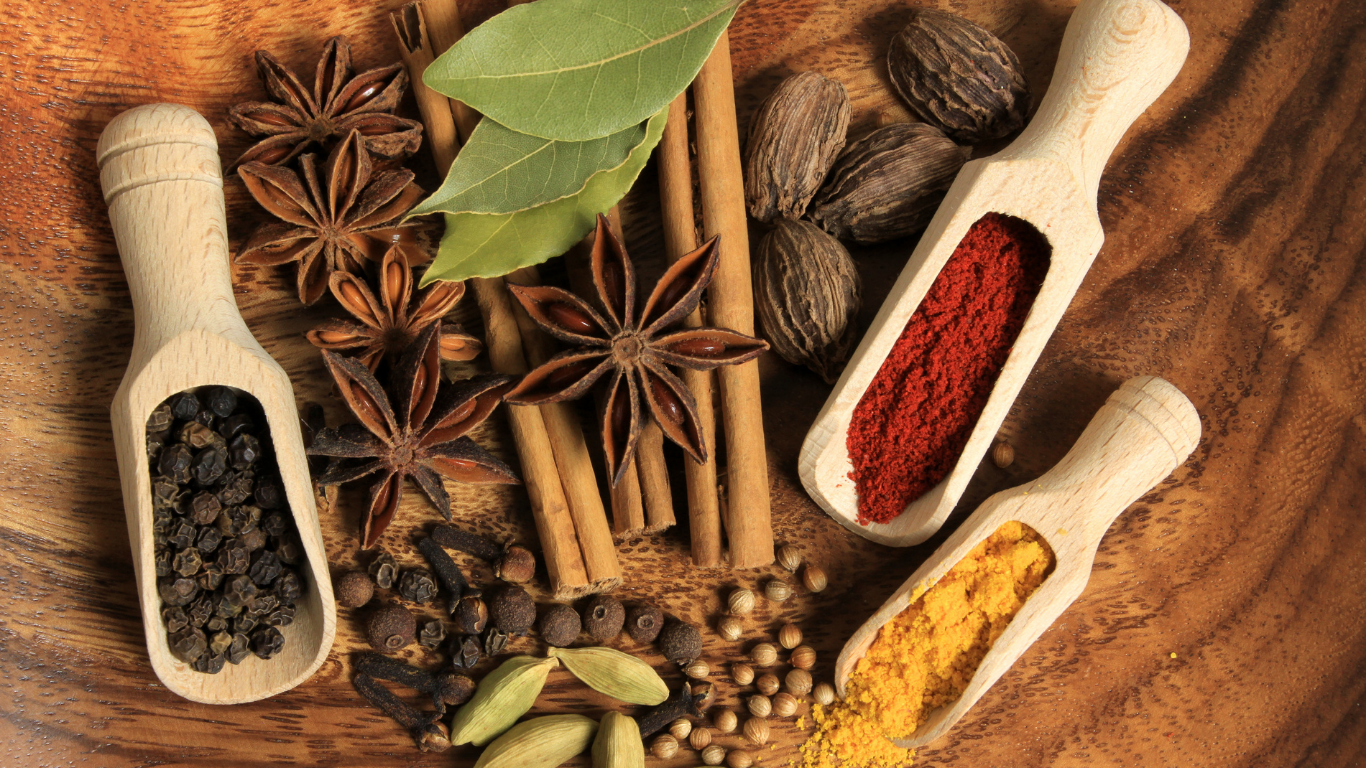
There’s a certain comfort in everyday Indian food that’s hard to explain but easy to feel. It’s in the aroma of a simple tadka, the warmth of freshly cooked dal, the familiarity of sabzi made just the way you like it. These meals may seem simple, but what gives them their depth, their identity, and their soul are the spices. Not just any spices—but pure spices. Because in Indian cooking, purity isn’t a luxury or a trend; it’s the very foundation of taste.

When we talk about purity in spices, we’re talking about something deeper than just appearance. It’s about what the spice truly contains—and what it doesn’t. Pure spices are free from artificial additives, unnecessary fillers, and preservatives. They are closer to their natural state, retaining their original oils, aroma, and flavor. And this purity directly impacts the way your food turns out. You could follow the same recipe, use the same ingredients, and still notice a difference simply because the spices you used were more authentic, more real. That’s the quiet but powerful role purity plays in everyday cooking.
Indian cuisine relies heavily on balance. It’s not about one dominant flavor—it’s about multiple spices coming together in harmony. For this balance to work, each spice needs to be true to itself. When spices are impure or overly processed, they lose their individuality. The result is a dish that feels flat or confused, where no single note stands out and the overall experience feels incomplete. Pure spices, on the other hand, bring clarity. You can taste the warmth of cumin, the depth of coriander, the subtle heat of chili—all working together without overpowering each other. This is what makes Indian food feel layered and satisfying, even in its simplest form.
Another important aspect of pure spices is the aroma they bring to your kitchen. In Indian cooking, aroma is the first signal that something good is happening. It’s what draws people into the kitchen, what builds anticipation even before the first bite. When spices are pure and rich in their natural oils, they release a strong, inviting fragrance the moment they hit hot oil. This is what creates that comforting, familiar environment we associate with home-cooked meals. But when spices are diluted or stale, this experience changes. The aroma is weaker, less expressive, and something feels missing—even if the dish looks perfect.

Purity also plays a significant role in how your body responds to food. Spices have been used in Indian households not just for flavor, but for their natural benefits. Ingredients like turmeric, cumin, coriander, and black pepper are known for supporting digestion and overall well-being. However, these benefits are closely tied to how pure and unaltered the spices are. When spices are mixed with additives or processed heavily, their natural properties can diminish. Pure spices retain more of their original compounds, making your everyday meals not just tastier, but also more aligned with your body’s needs. It’s a subtle difference, but one that builds over time.
In today’s fast-paced world, it’s easy to overlook these details. Convenience often takes priority, and many store-bought spices are designed for longer shelf life rather than true freshness. This can sometimes lead to compromises in purity. But this is exactly where conscious choices make a difference. Choosing spices that are carefully sourced, minimally processed, and free from unnecessary additions can completely transform your cooking experience. It’s not about making things complicated—it’s about making them better, one small decision at a time.
What Makes Pure Spices So Important in Daily Cooking
- Pure spices retain their natural oils, which are responsible for both aroma and flavor
- They ensure balanced taste, allowing each spice to contribute without overpowering
- They support better digestion and overall well-being due to their unaltered natural compounds
- They provide stronger, more authentic aroma, enhancing the cooking experience
- They are free from preservatives, fillers, and additives, making your food cleaner and more wholesome
- They help maintain the true identity of traditional recipes, preserving authentic taste
These points may seem simple, but together they shape the entire experience of your food—from how it smells while cooking to how it feels after eating.
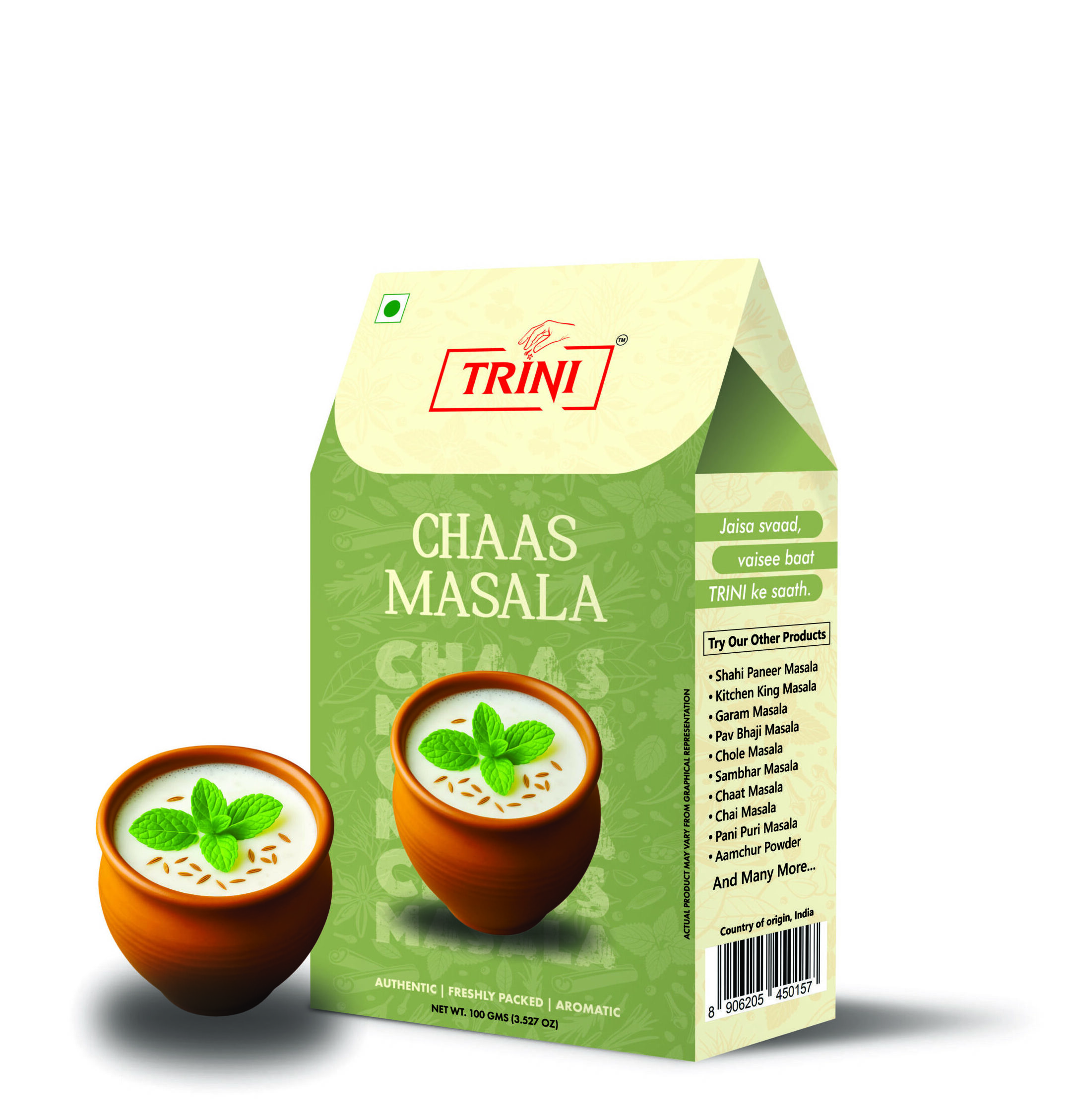
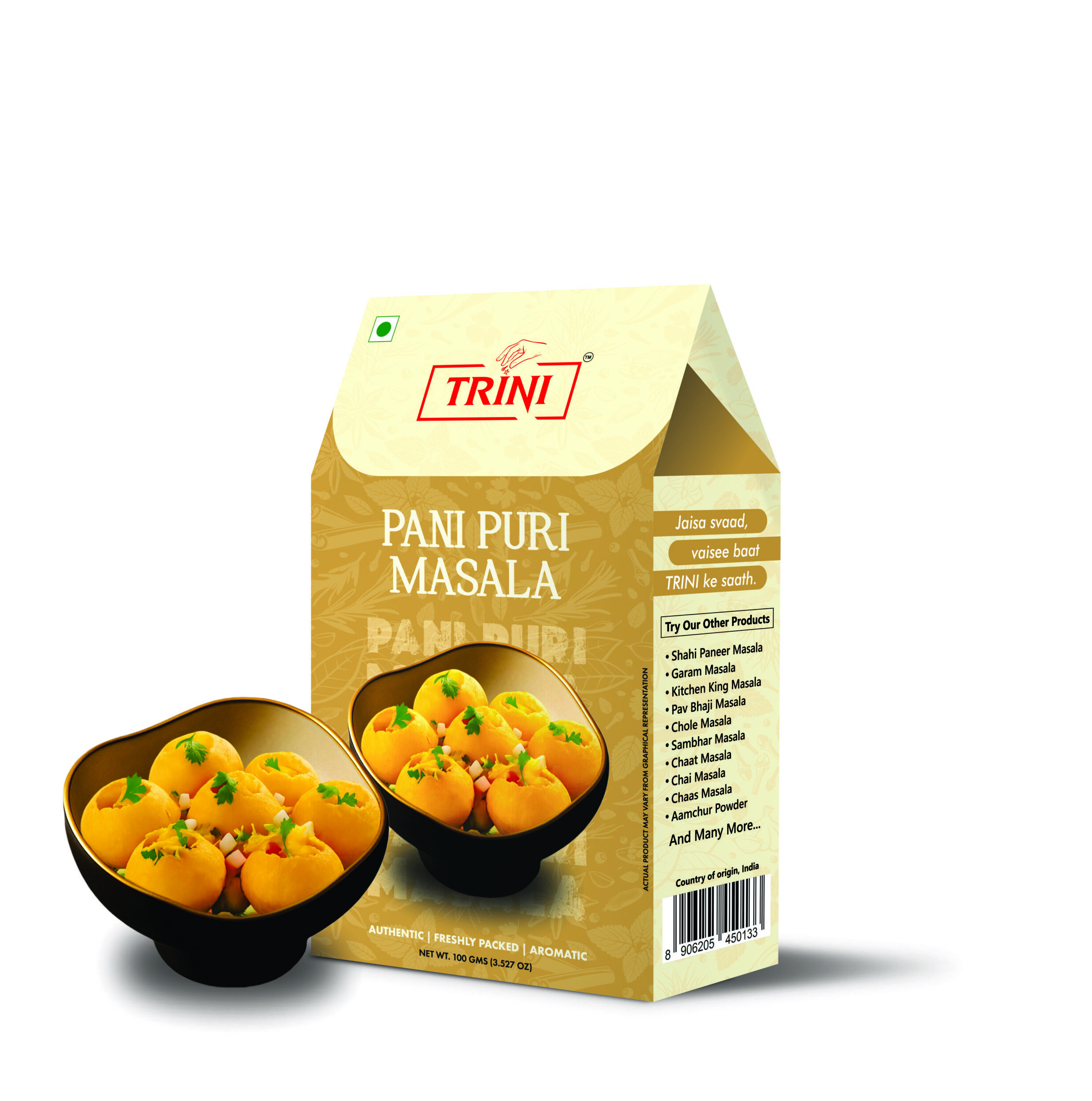
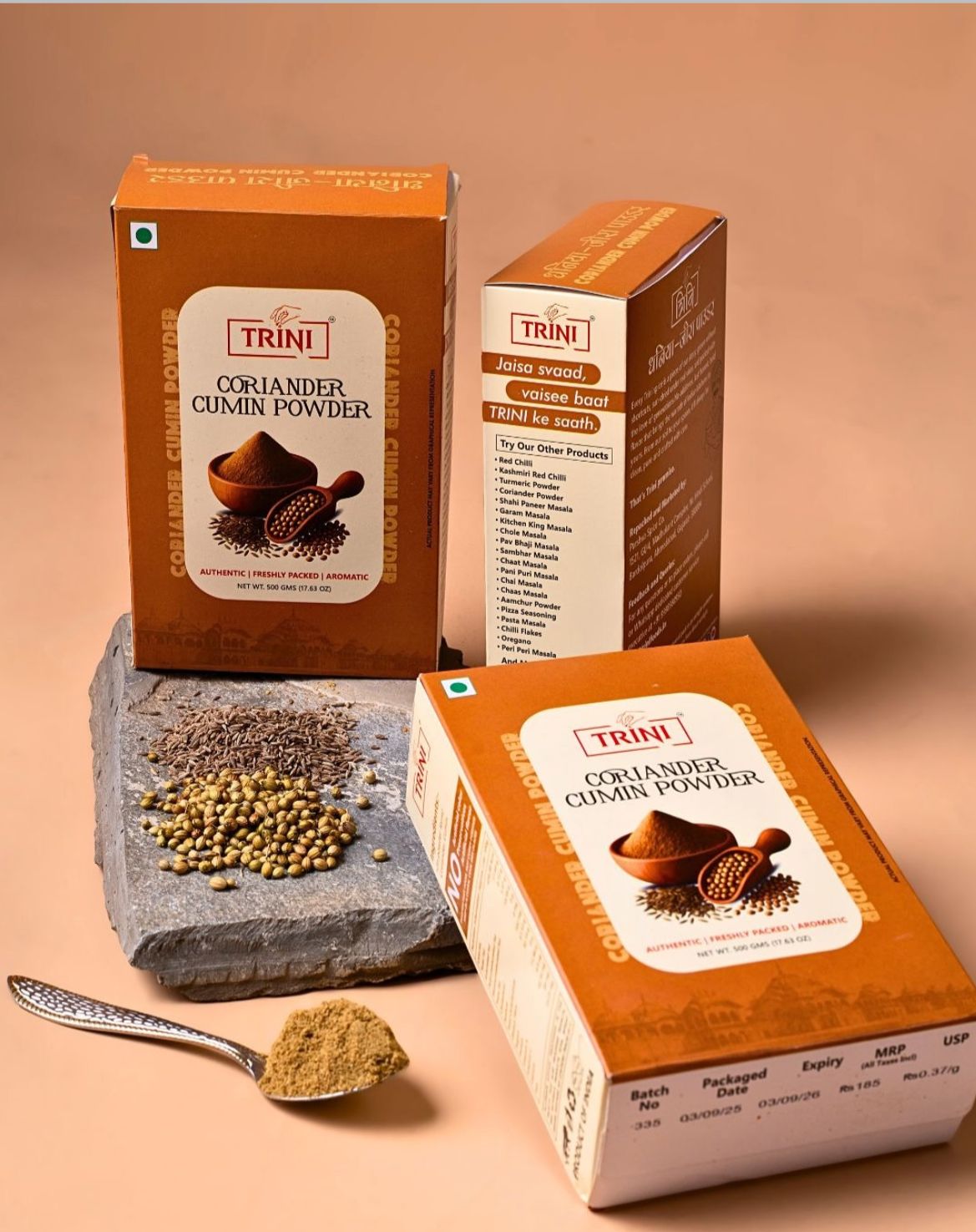
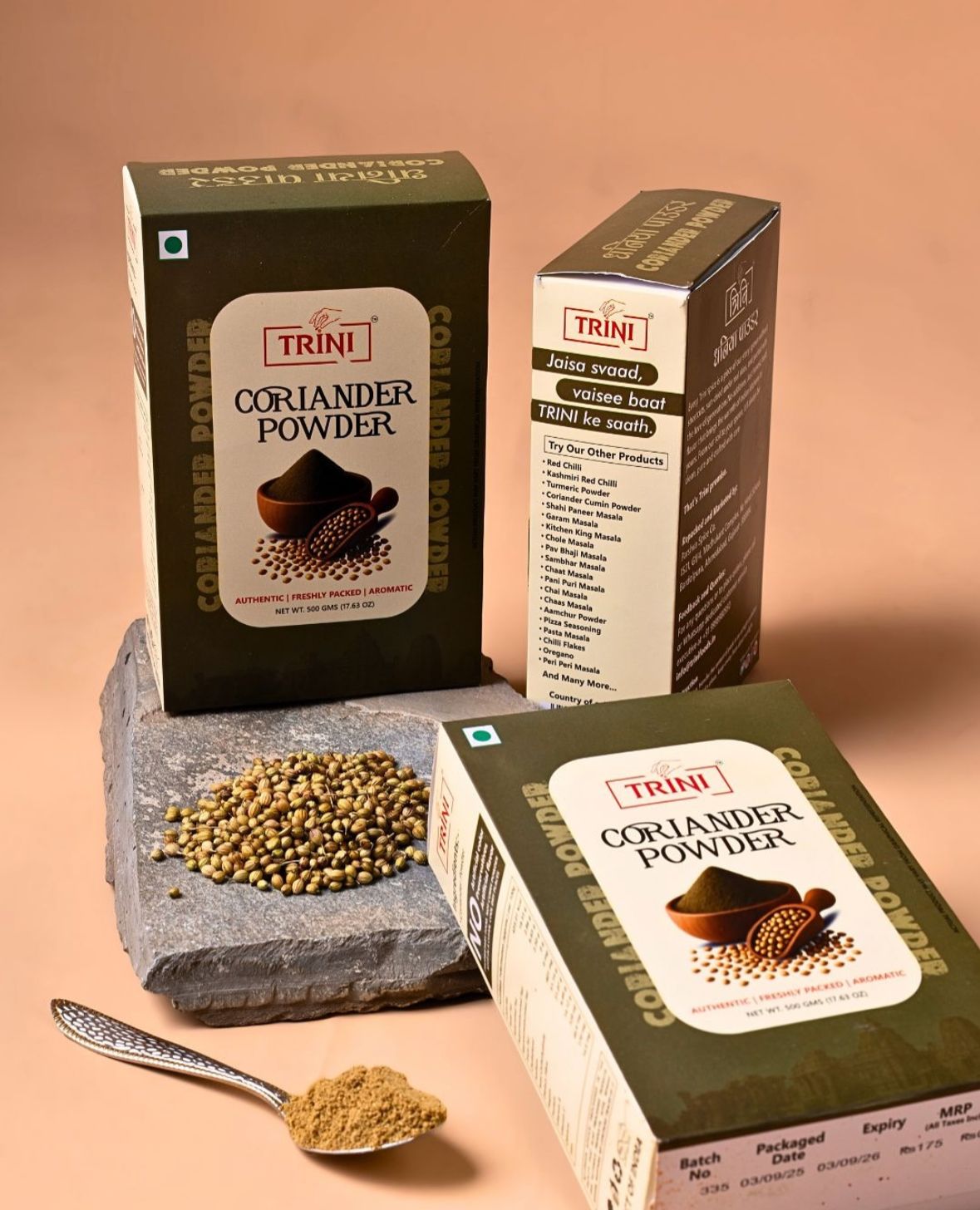
At Trini, this understanding of purity is at the heart of everything. The approach isn’t just about creating spices—it’s about protecting what spices are meant to be. By sourcing high-quality raw ingredients and following careful processing methods, including traditional practices like sun-drying, Trini ensures that the spices retain their natural essence. The focus on being GMO-free and preservative-free means that what reaches your kitchen is clean, authentic, and true to its origin. This commitment to purity isn’t about making claims—it’s about delivering a difference you can actually notice in your cooking.

There’s also an emotional aspect to this. Food is deeply personal. It carries memories, traditions, and a sense of belonging. When spices are pure, they help recreate those familiar flavors that many of us grew up with. The taste of your grandmother’s curry, the aroma of your mother’s kitchen—these aren’t just recipes; they’re experiences built on the quality of ingredients. Pure spices help bring those experiences back, making everyday meals feel more connected and meaningful.
Over time, you begin to notice how much of a difference this makes. Your dishes feel more complete, your kitchen smells more inviting, and your meals feel more satisfying. It’s not because you’ve changed your cooking style—it’s because you’ve improved what goes into it. That’s the power of purity. It works quietly, but its impact is undeniable.
In the end, everyday cooking isn’t about perfection. It’s about consistency, comfort, and care. And pure spices support all three. They ensure that every meal you prepare—no matter how simple—carries the richness and authenticity that Indian food is known for.
Because when your spices are pure, everything else falls into place.