There’s something incredibly satisfying about opening a jar of spices and being greeted with a strong, rich aroma. It instantly sets the tone for what you’re about to cook. But if you’ve ever opened a spice container and felt… nothing, you already know how disappointing it can be. The truth is, spices don’t lose their magic overnight—it fades slowly, often because of how they’re stored. And no matter how high-quality your spices are, even the best ones can lose their depth if they aren’t cared for the right way.

In Indian cooking especially, spices are not just an addition—they’re the backbone of every dish. The aroma, the warmth, the balance of flavors all depend on how fresh your spices are. That’s why storage isn’t just a technical detail; it’s a crucial part of preserving taste. At Trini, where spices are crafted with care and rooted in traditional methods like sun-drying, preserving that natural aroma becomes even more important once the product reaches your kitchen. Because freshness doesn’t end at packaging—it continues with how you store and use it every day.
One of the biggest mistakes people make is underestimating how sensitive spices really are. Spices are rich in essential oils, and these oils are what give them their aroma and flavor. But they are also delicate. Exposure to air, light, heat, and moisture slowly breaks them down. It doesn’t happen dramatically—you won’t notice it in a day or two—but over weeks and months, the difference becomes clear. The same masala that once filled your kitchen with fragrance starts to feel dull and lifeless. That’s not because the spice was poor in quality—it’s because the environment around it slowly took away its strength.

Air is one of the biggest enemies of spice freshness. Every time a spice container is left open or loosely sealed, it allows oxygen to interact with the spice. This process slowly oxidizes the essential oils, reducing both aroma and flavor. That’s why even small habits, like leaving the lid slightly open while cooking, can make a difference over time. The solution is simple but often overlooked—airtight storage. When spices are kept in tightly sealed containers, they are protected from unnecessary exposure, allowing them to retain their potency for longer.
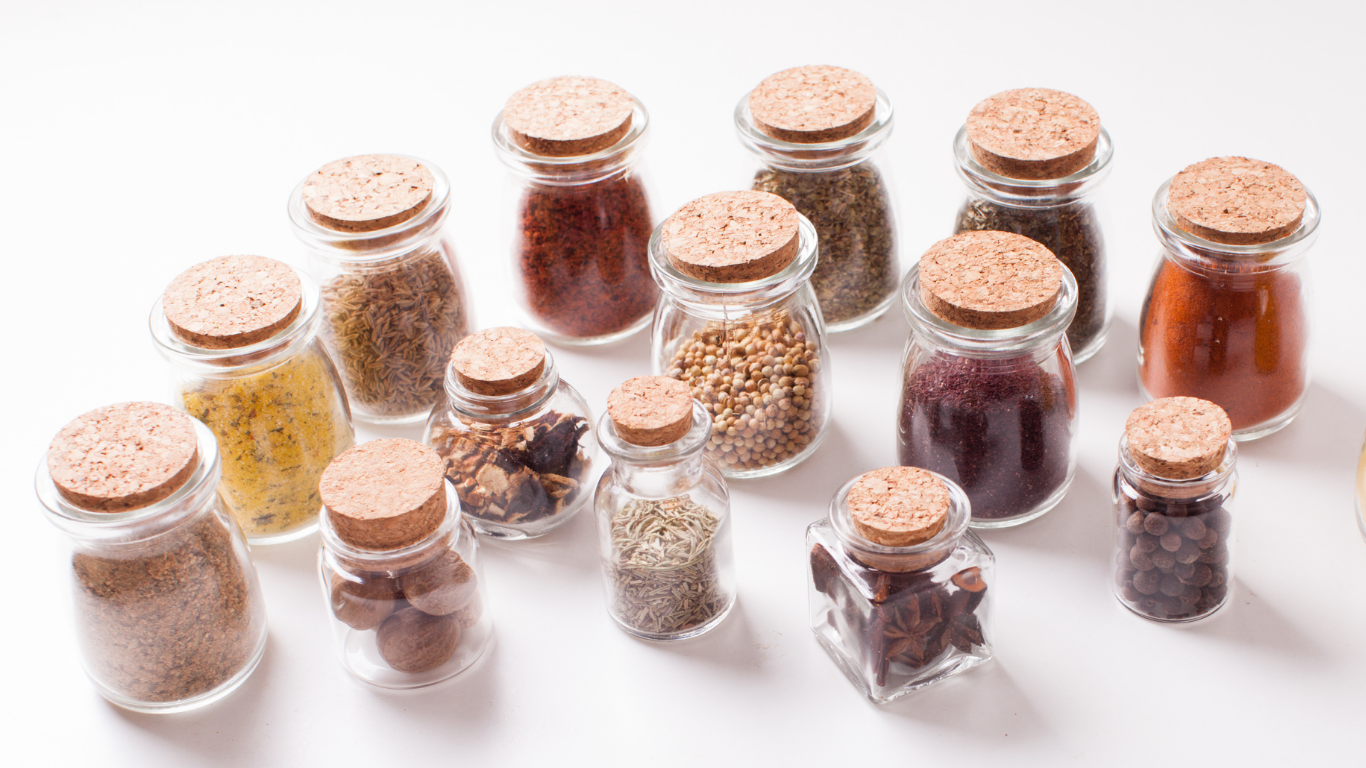
Light is another factor that quietly affects spices. Direct sunlight or even strong artificial light can degrade the natural compounds within spices. This is why spices stored in transparent jars near windows often lose their vibrancy faster. While glass jars may look aesthetically pleasing, they need to be placed thoughtfully. A dark cabinet or a shaded shelf works much better. It’s not about hiding your spices—it’s about protecting what makes them special.
Heat, especially in Indian kitchens, is something that can’t always be avoided. But storing spices right next to the stove is one of the most common mistakes. The constant exposure to heat every time you cook gradually weakens the spices. Even if the container is closed, the surrounding temperature affects the oils inside. Over time, this leads to a noticeable drop in aroma and flavor. Keeping spices slightly away from the cooking area, in a cool and stable environment, can make a significant difference in how long they stay fresh.
Moisture is another silent factor that affects spices more than we realize. Steam from cooking, wet spoons, or even humid weather can introduce moisture into spice containers. Once moisture enters, it not only dulls the flavor but can also lead to clumping or spoilage. This is why it’s important to always use dry spoons and keep containers tightly sealed after use. It’s a small habit, but one that goes a long way in maintaining quality.
Simple Storage Habits That Make a Big Difference

- Always store spices in airtight containers to prevent exposure to air
- Keep them in a cool, dark place, away from direct sunlight
- Avoid placing spice jars near the stove or heat sources
- Use dry spoons to prevent moisture from entering
- Store spices in small batches instead of large, long-term quantities
- Prefer opaque or dark glass containers over clear jars
- Keep lids tightly closed immediately after use
These aren’t complicated changes—but they can completely transform how your spices perform over time.
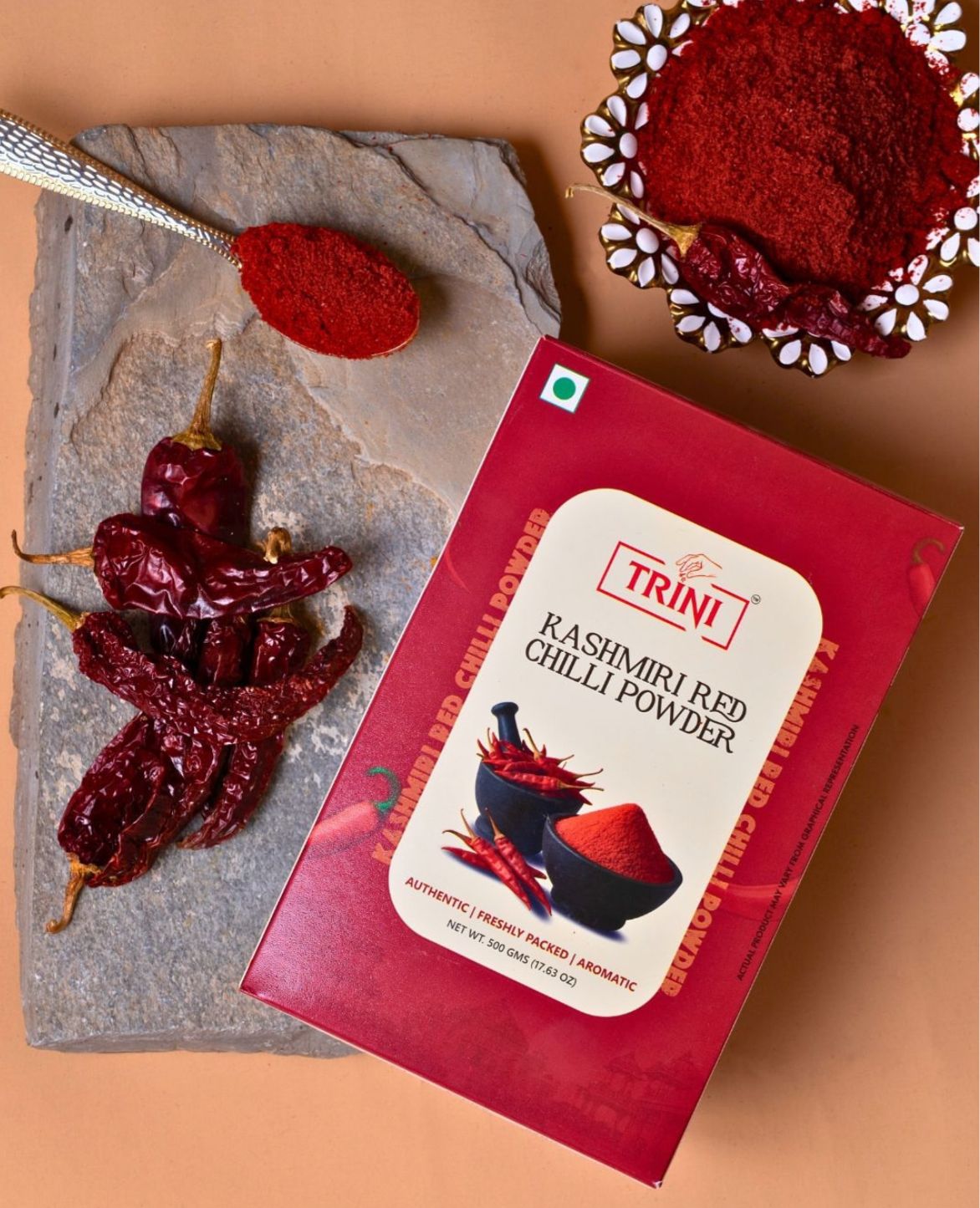
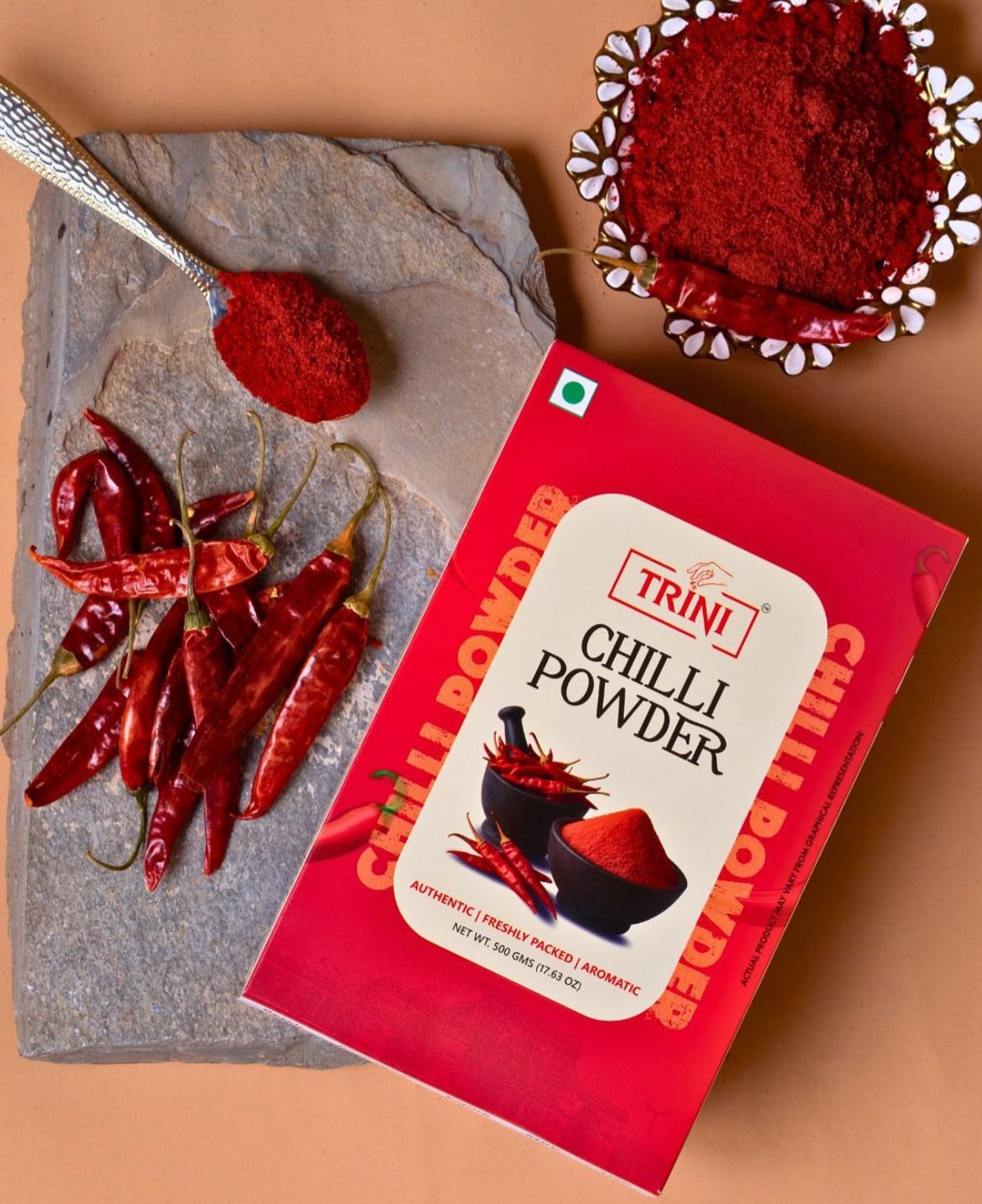
Another important aspect is understanding the difference between whole and powdered spices when it comes to storage. Whole spices tend to retain their freshness much longer because their essential oils are protected within their structure. Powdered spices, on the other hand, are more exposed and therefore lose their potency faster. This doesn’t mean you should avoid powdered spices altogether—it just means they need a little more attention. Using high-quality, carefully processed powders, like those from Trini, ensures that you start with a better product, and proper storage helps maintain that quality for as long as possible.
There’s also something to be said about buying habits. Often, we buy spices in bulk thinking it’s more convenient, but it can actually lead to waste in terms of flavor. Spices that sit unused for too long gradually lose their impact. It’s better to buy in quantities that you can use within a reasonable time frame. This way, your cooking always benefits from spices that are closer to their peak freshness. When you combine thoughtful buying with proper storage, the difference becomes noticeable in every dish you prepare.
At Trini, the journey of a spice is treated with care right from the beginning. From sourcing high-quality raw ingredients to following traditional practices like sun-drying, every step is designed to preserve natural aroma and flavor. But that effort can only truly shine when the spices are stored correctly in your kitchen. Think of it as a partnership—Trini ensures purity and freshness at the source, and you maintain that freshness at home through the way you store and use it.
Over time, you’ll begin to notice how much of a difference this makes. The aroma becomes stronger, the flavors feel more complete, and your food starts to carry that richness that’s often associated with traditional cooking. It’s not about doing something extraordinary—it’s about paying attention to small details that have a big impact.
Because at the end of the day, spices are more than just ingredients. They are the essence of your cooking. And when you store them right, you’re not just preserving flavor—you’re preserving the experience.