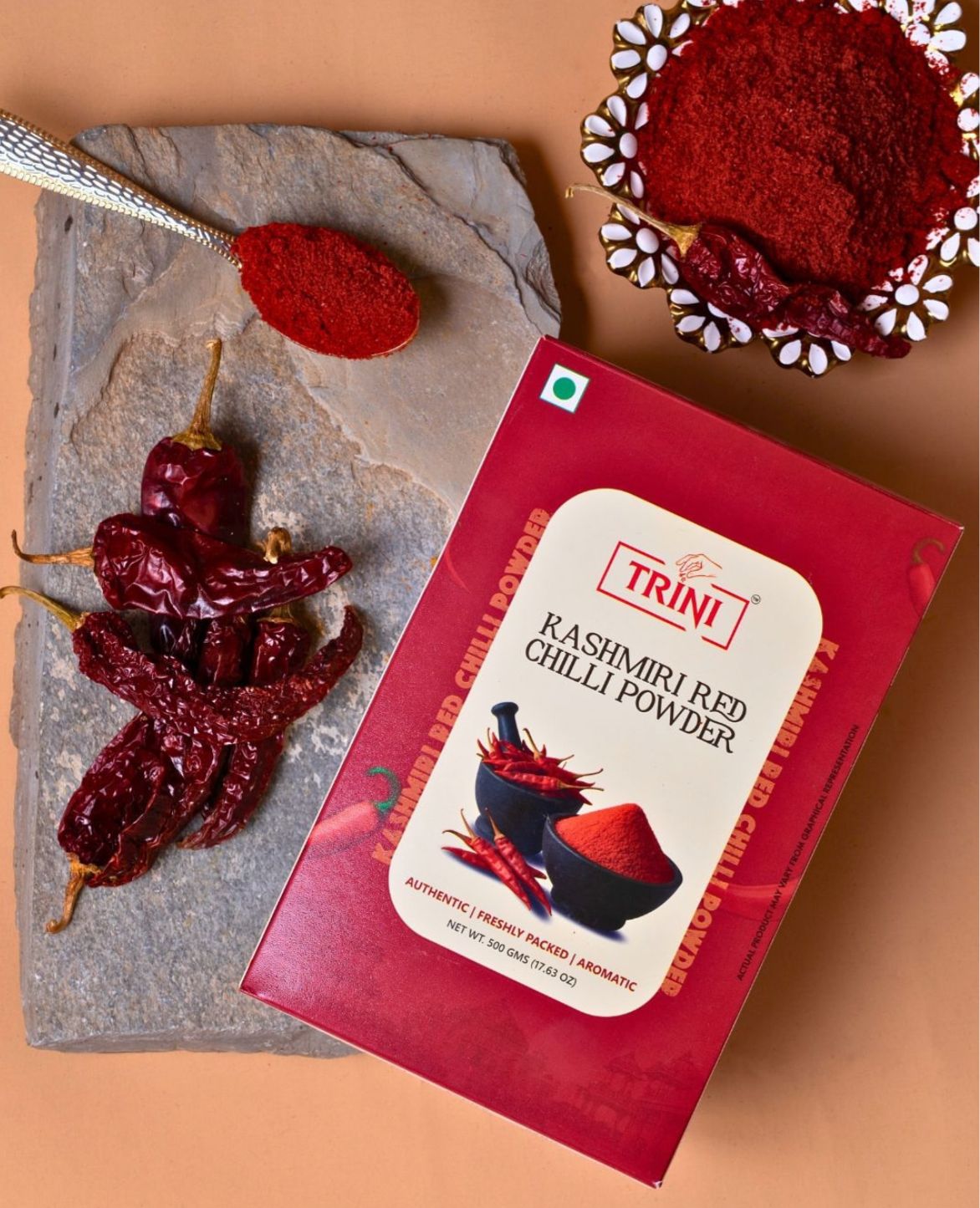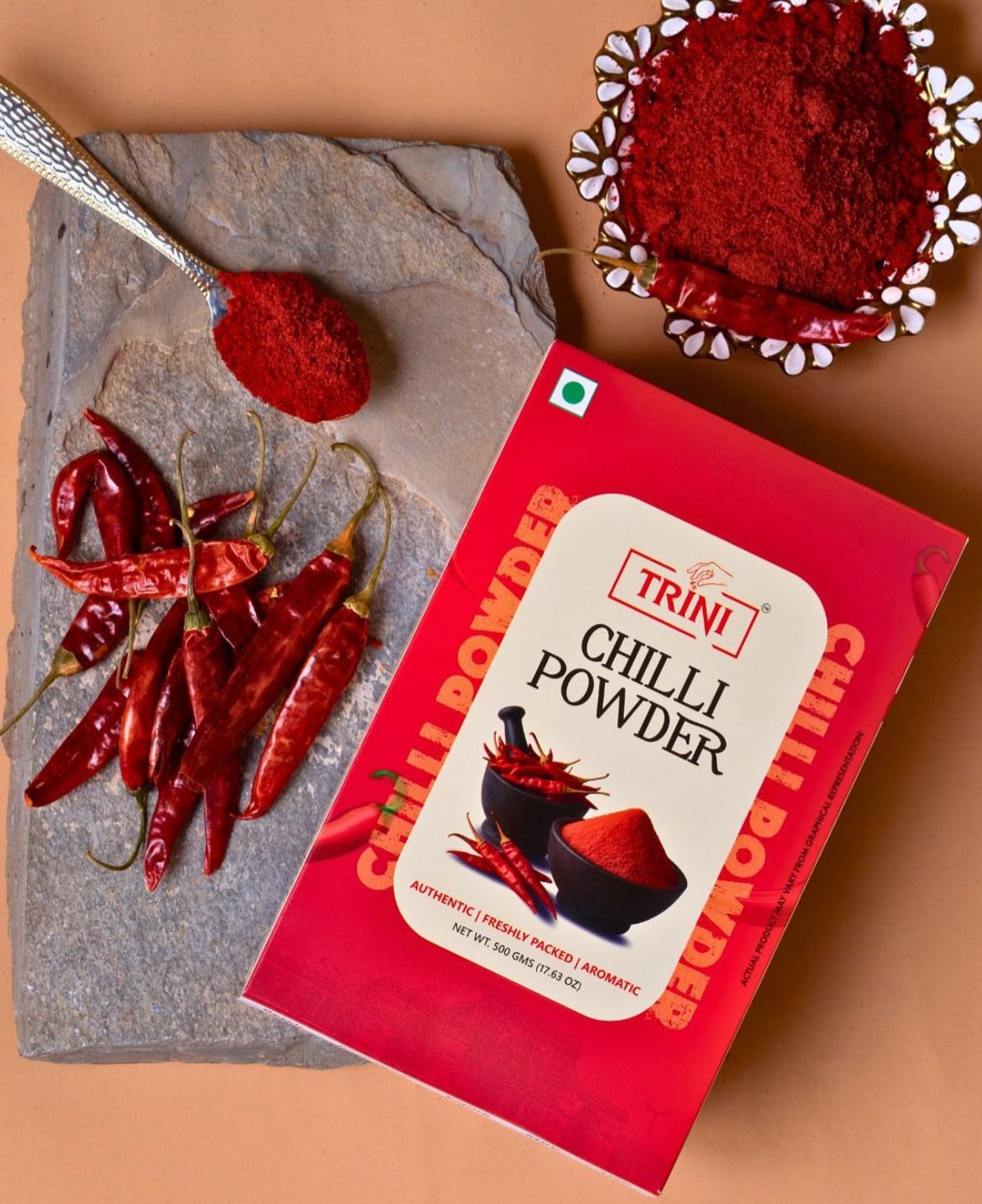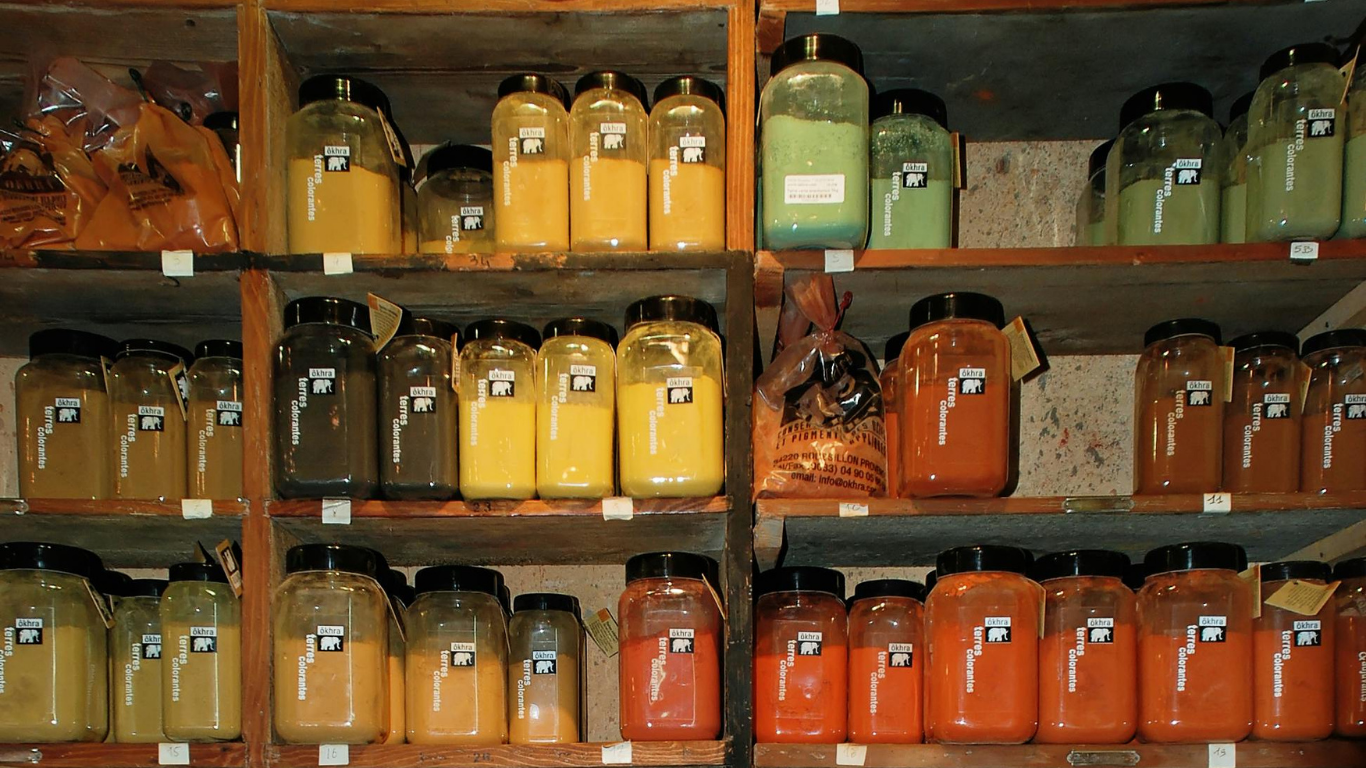
Walk into any supermarket and you’ll find shelves lined with neatly packed spice jars—bright colors, attractive packaging, and labels that promise “freshness” and “quality.” At first glance, it all looks convincing. But here’s something most people don’t realize: what you see isn’t always what you get. Freshness in spices isn’t just about how recently they were packed—it’s about how much of their natural aroma, oils, and potency are still intact. By the time many store-bought spices reach your kitchen, they’ve already gone through harvesting, bulk storage, processing, packaging, transportation, and shelf time. That’s a long journey. And with every step, spices are exposed to air, light, and fluctuating temperatures—gradually losing the very essence that gives them flavor. So while the color might still look vibrant, the depth of aroma and taste often fades quietly in the background. What you’re left with is something that looks right, but doesn’t quite deliver when it matters most—on your plate.

What Happens Behind the Scenes
Most brands won’t openly talk about the timelines involved in spice production. Spices are often harvested in bulk and stored for long periods before they are even processed. Then comes large-scale grinding, where spices are crushed in high quantities—sometimes generating heat that further reduces their natural oils. After that, they’re packed and sent through distribution channels, where they might sit in warehouses or on retail shelves for weeks or even months. During this entire process, freshness isn’t exactly the top priority—consistency and shelf life are. To maintain that shelf life, some products may include anti-caking agents or preservatives, which can further affect the purity of the spice. The result? A product that’s stable and convenient, but not necessarily fresh in the way traditional cooking understands it. And that’s the gap most consumers aren’t aware of. Because when you open a pack expecting a burst of aroma and instead get a mild, almost flat scent, it’s not your cooking—it’s the journey that spice has already been through.
Why Freshness Makes All the Difference

Spices are the heart of Indian cooking, and their role goes far beyond adding heat or color. They build layers, create balance, and define the character of a dish. Fresh spices release essential oils when they hit heat—this is what creates that rich aroma and depth you associate with truly good food. When spices lose these oils, they lose their impact. A curry might look perfect, but taste underwhelming. A tadka might sizzle, but not fill the kitchen with that comforting fragrance. This is why traditional methods placed so much emphasis on freshness—sun-drying, slow roasting, and grinding in small batches ensured that spices retained their full potential. That’s also why food cooked earlier felt more alive, more expressive, more connected. Freshness isn’t a small detail—it’s the difference between food that’s just cooked and food that’s truly experienced. And once you notice that difference, it’s hard to ignore.
Choosing Better, Cooking Better

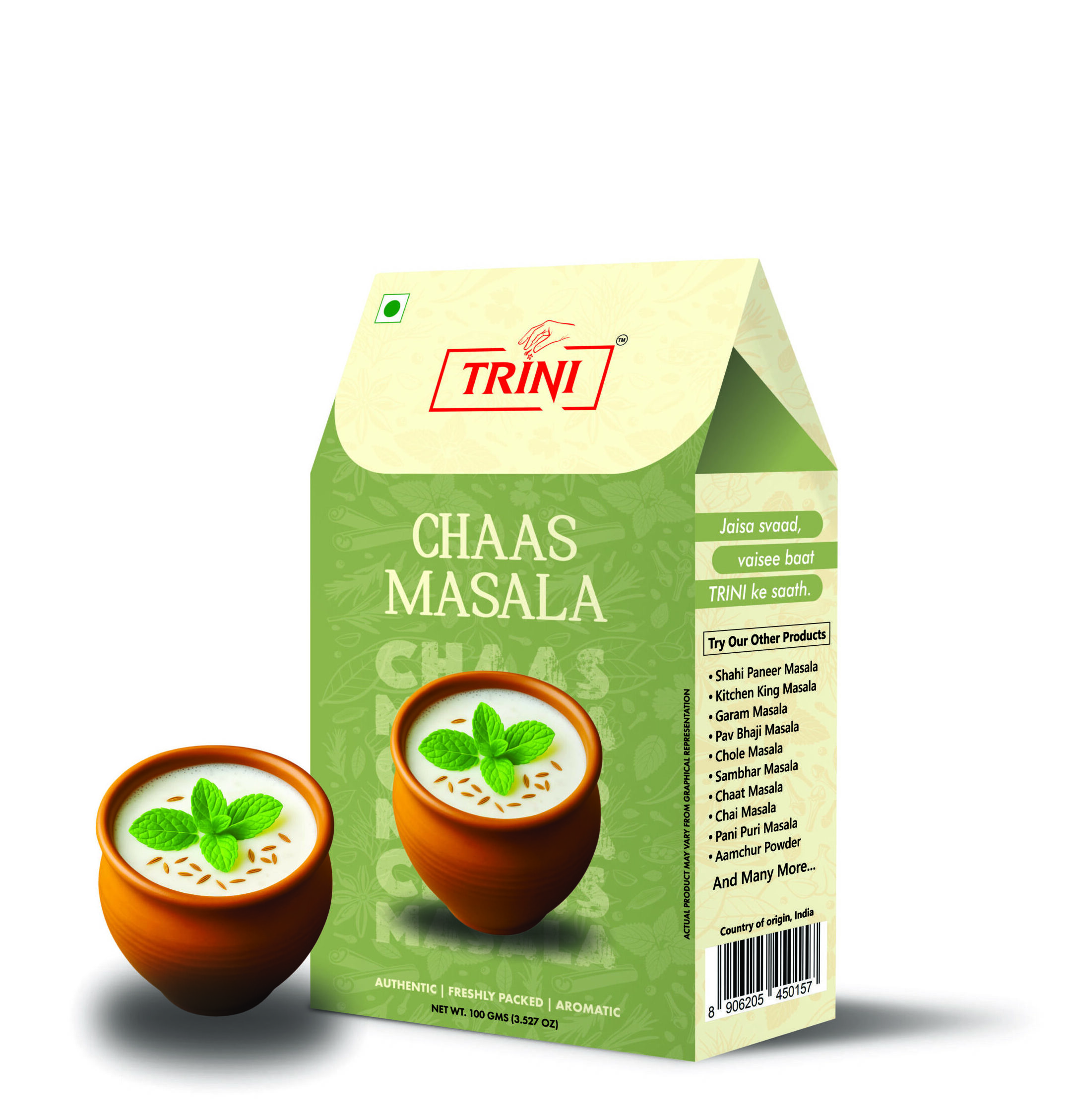
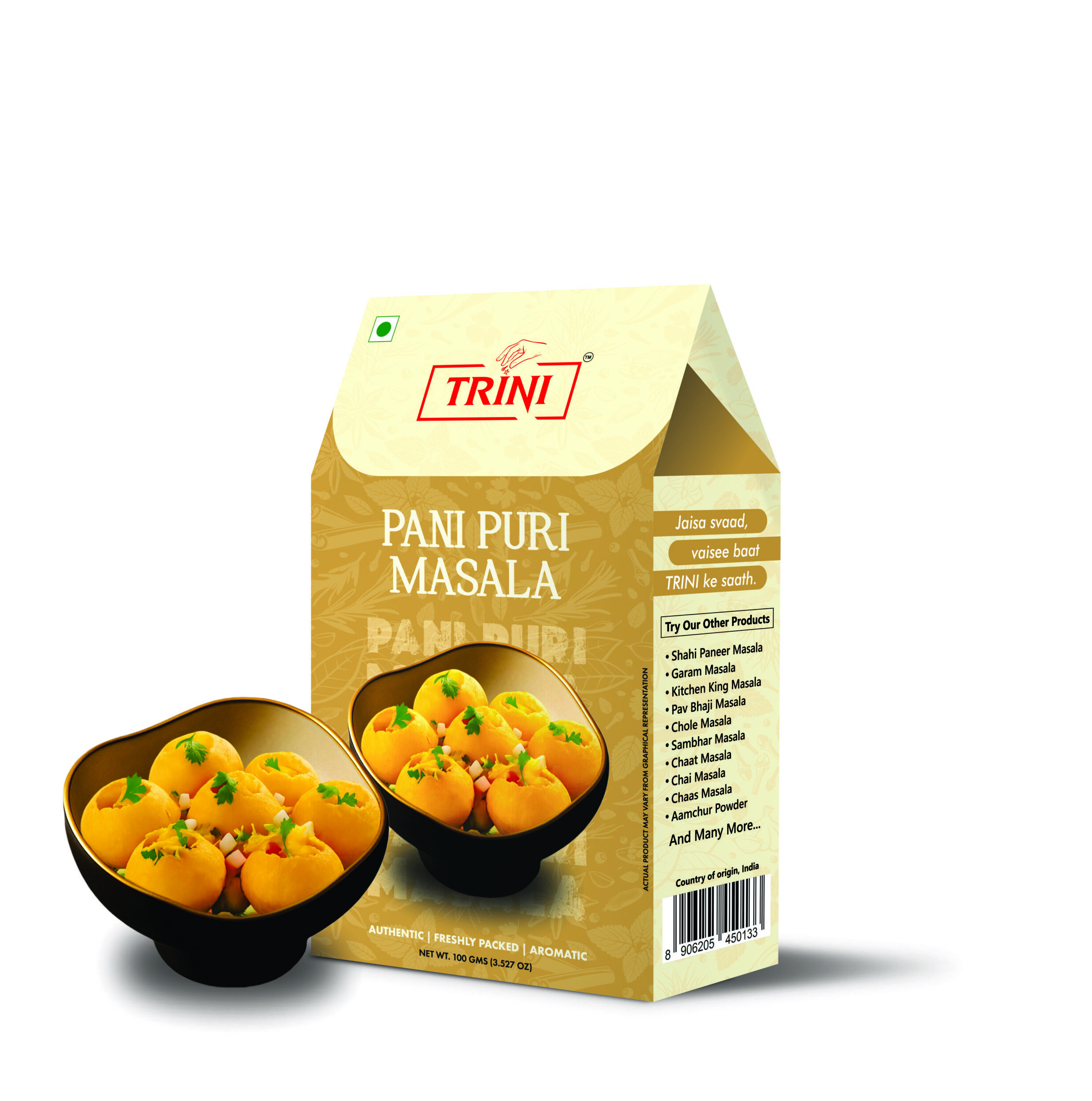
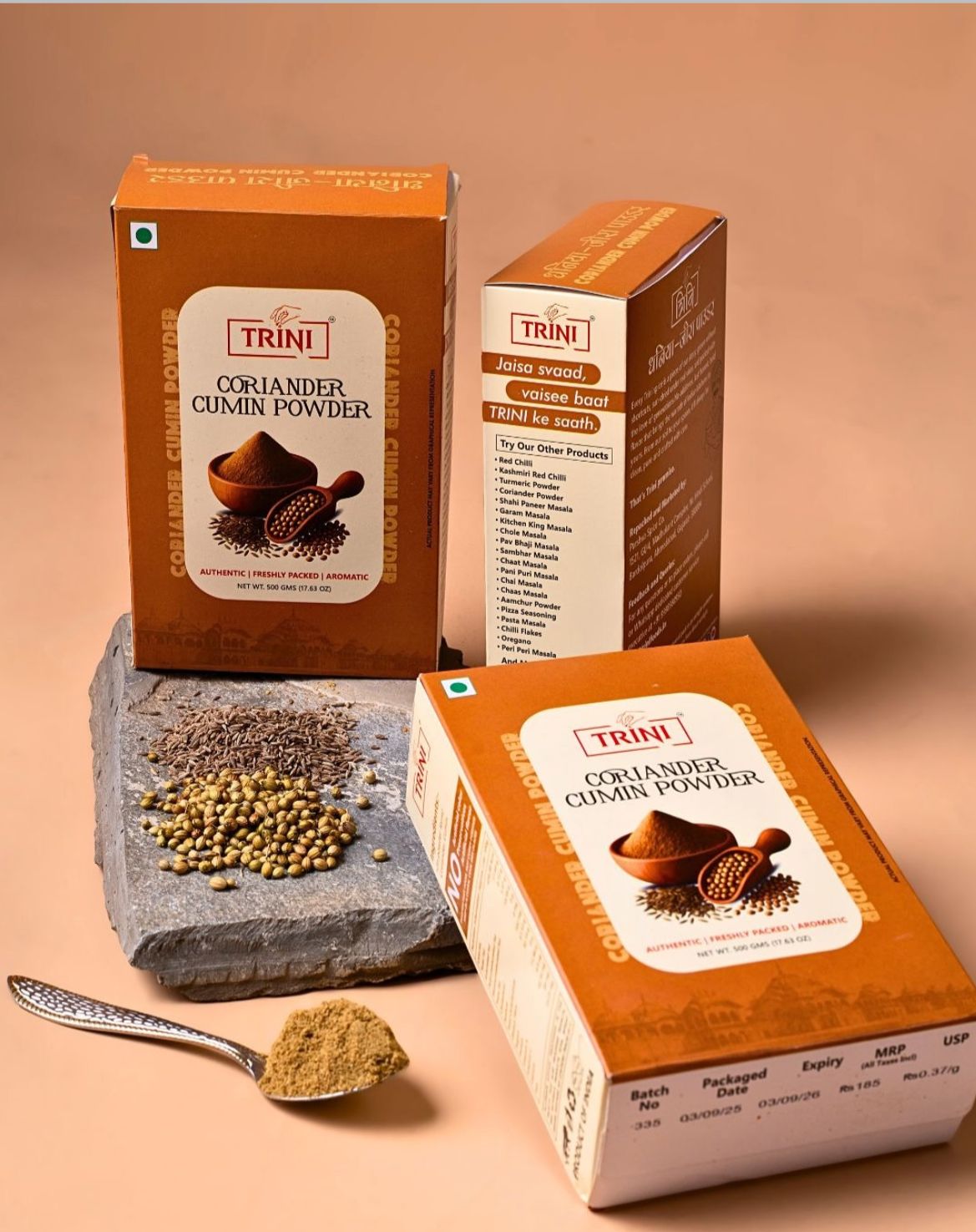
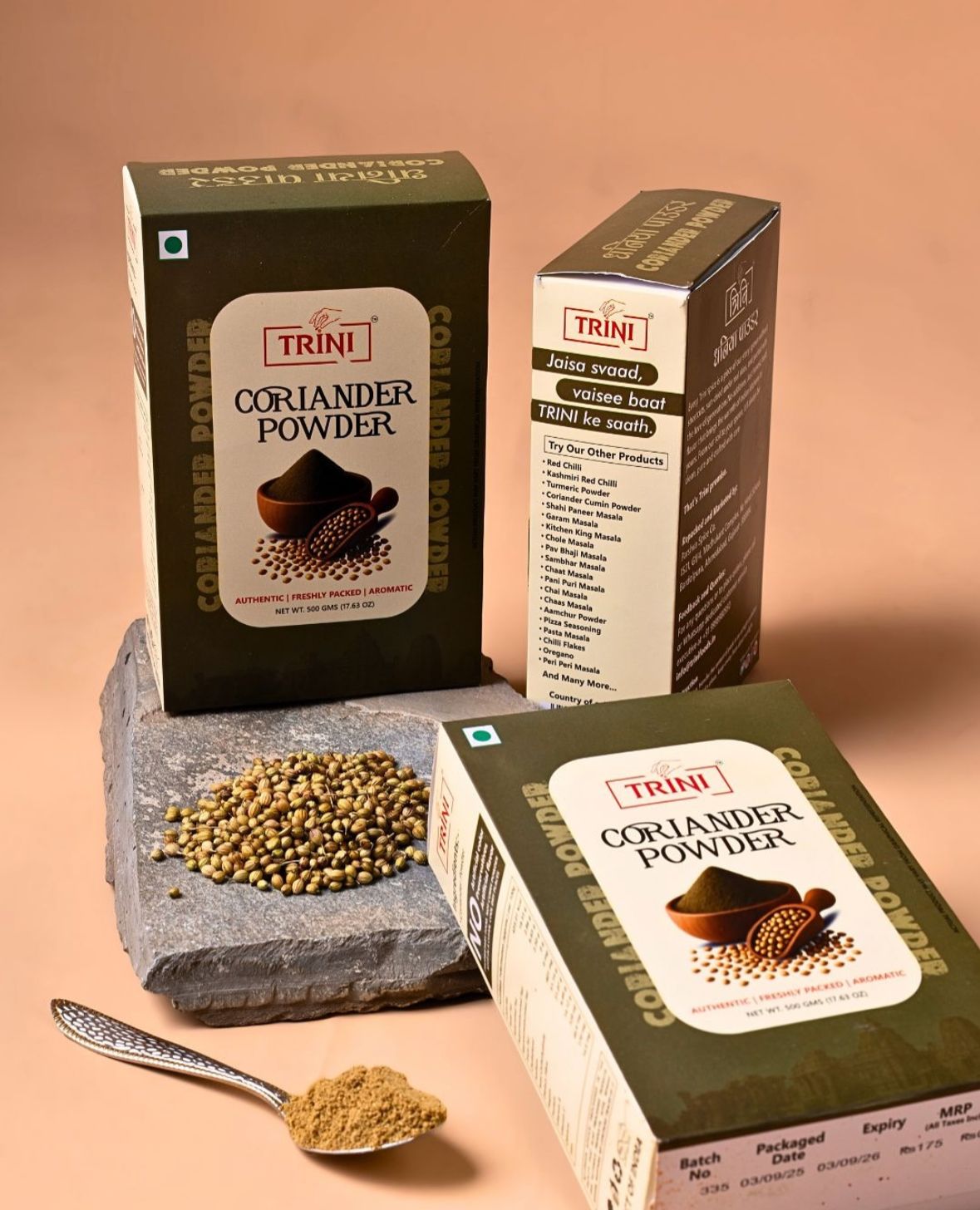
In today’s fast-paced world, convenience matters—but that doesn’t mean you have to settle for less. The key is not to avoid store-bought spices altogether, but to choose them more consciously. Look for brands that focus on quality sourcing, careful processing, and minimal interference with the natural state of spices. This is where Trini stands apart. Rooted in traditional values yet crafted for modern kitchens, Trini ensures that every spice is handled with the care it deserves—from selection to packaging. With a strong focus on being GMO-free and preservative-free, Trini brings you closer to what spices are meant to be: pure, aromatic, and full of life. It’s about shortening the gap between how spices were once made at home and how they are experienced today. Because at the end of the day, better spices don’t just improve your cooking—they bring back authenticity. They bring back that feeling of food that smells incredible before you even take a bite. And most importantly, they remind you that freshness isn’t a claim—it’s something you can truly taste.