Close your eyes for a moment and think of a meal that truly felt like home. Not just something
tasty—but something comforting. Familiar. Deeply satisfying in a way that stayed with you long
after the last bite. Chances are, what made that meal special wasn’t just the recipe.
It was the spices.
In Indian cooking, spices are not just ingredients—they are the soul of the dish. And the way
they are prepared makes all the difference between food that’s simply good… and food that
feels authentic.
It All Starts at the Source

Authentic taste doesn’t begin in the kitchen. It begins much earlier—at the source.
Traditional spice making has always been rooted in careful selection of raw ingredients.
Farmers would harvest spices at the right time, ensuring they were fully matured and rich in
natural oils.
There was no rush. No shortcuts.
Because when spices are grown and harvested with patience, they carry a depth of flavor that
no artificial process can replicate.
The Art of Sun-Drying

One of the most beautiful and essential steps in traditional spice making is sun-drying.
Spices spread out on cotton cloths under the warm sun—slowly losing moisture, naturally
preserving themselves.
This isn’t just about drying. It’s about locking in flavor.
Sun-drying allows spices to retain their essential oils while removing excess moisture that can
cause spoilage. Unlike machine drying, which can be harsh and uneven, the sun works
gently—enhancing aroma rather than stripping it away.
It’s a process that takes time. But the result?
Spices that smell richer, taste fuller, and last longer.
Cleaning by Hand: Purity Matters
Before spices are ground or blended, they are carefully cleaned—traditionally by hand.
Every tiny stone, every bit of dust is removed with attention and patience.
This step might seem small, but it’s incredibly important.
Because authentic taste isn’t just about flavor—it’s about purity.
When spices are cleaned properly, you’re left with nothing but the ingredient in its truest form.
No impurities. No compromise.
Slow Roasting: Unlocking Aroma
If there’s one step that truly transforms spices, it’s roasting.
In traditional kitchens, spices are roasted slowly on a low flame. Not rushed. Not overheated.
Just enough heat to release their essential oils.
You can actually hear it—the gentle crackle of cumin seeds, the warm fragrance of coriander
filling the air.
This process does something magical:
● It deepens flavor
● Enhances aroma
● Brings out natural sweetness and warmth
Skip this step, and spices can taste flat.
Do it right, and they come alive.
Grinding with Care
Today, we’re used to ready-made powders. But traditionally, spices were ground fresh—often
using a mortar and pestle or stone grinder.
This wasn’t just about texture. It was about control.
Grinding spices fresh ensures that their oils are released at the right moment—not lost during
storage. It also allows for a coarser, more natural texture that adds character to dishes.
And perhaps most importantly, it connects you to the process.
Because when you grind spices by hand, you’re not just cooking—you’re participating in a
tradition.
Blending: A Science and an Art
Indian spice blends—or masalas—are a perfect example of balance.
No single spice dominates. Each one plays a role.
Traditional blending isn’t random. It’s built on generations of knowledge—understanding which
spices complement each other, and in what proportion.
A pinch too much of one spice can overpower the rest. Too little, and the blend loses its identity.
That’s why authentic masalas feel harmonious.
They don’t shout—they come together.
Why Modern Shortcuts Fall Short
In today’s fast-moving world, many spice-making processes are industrialized.
High heat drying. Bulk grinding. Long storage periods. Additives for shelf life.
While these methods are efficient, they often come at a cost:
● Loss of natural aroma
● Reduced flavor intensity
● Compromised purity
And that’s why sometimes, even when you follow a recipe perfectly, the taste doesn’t quite
match what you remember.
Because authenticity can’t be rushed.
Bringing Tradition into Today’s Kitchen
The reality is—we don’t all have the time to sun-dry, roast, and grind spices from scratch.
But that doesn’t mean we have to give up on authentic taste.
What matters is how close we stay to those traditional methods—even in a modern format.
This is where thoughtful brands make a difference.
Where Trini Stands
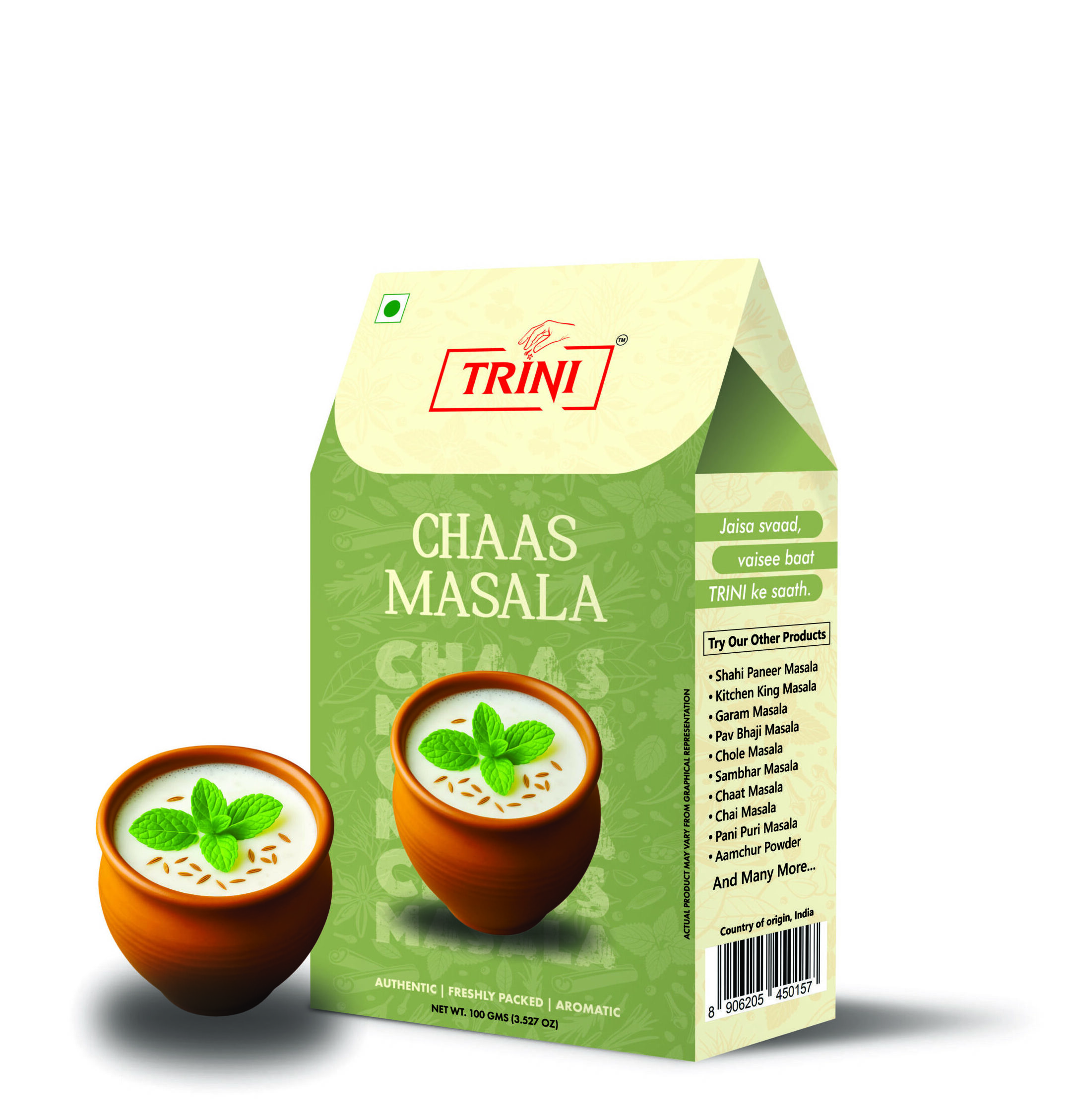
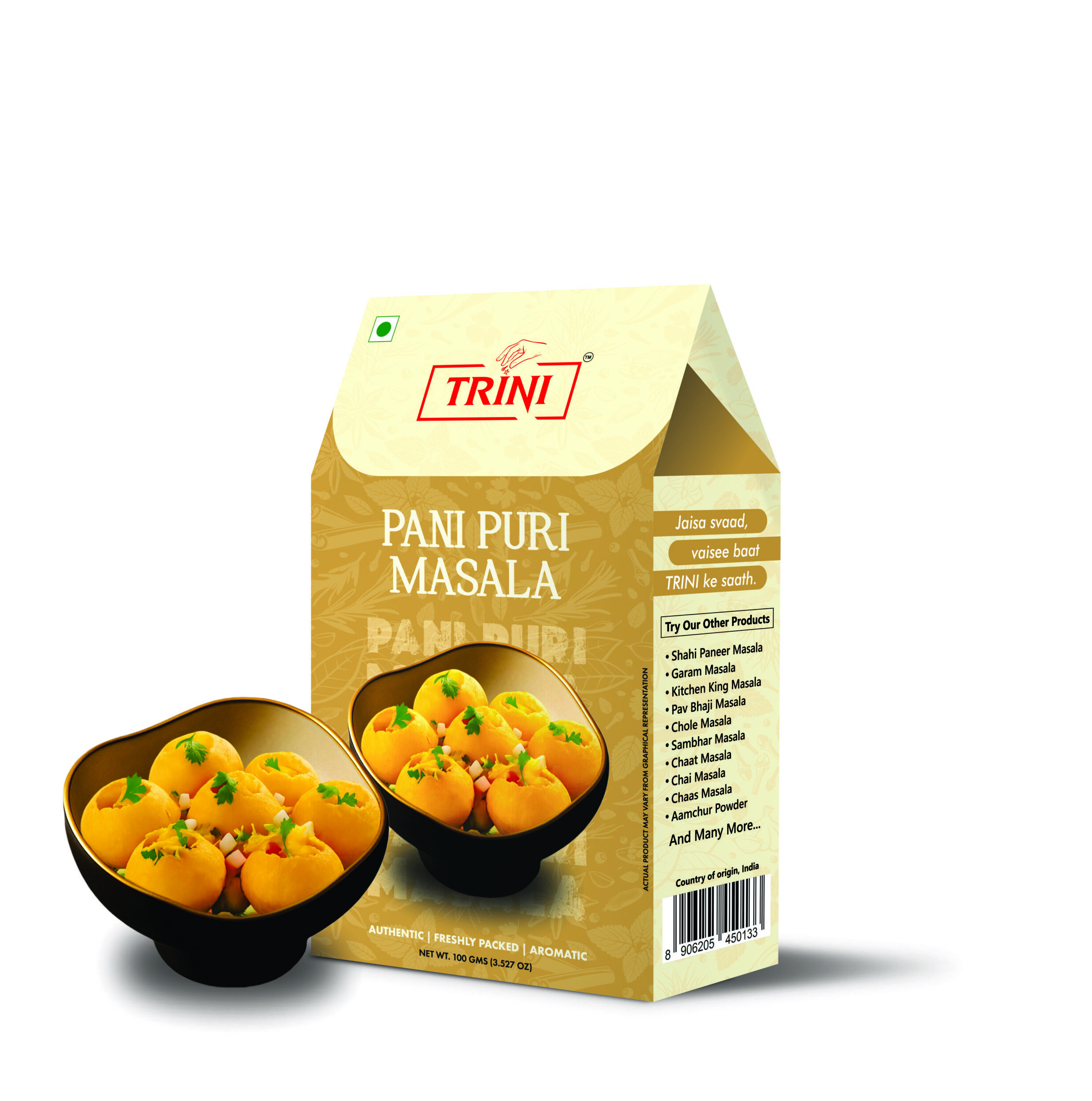
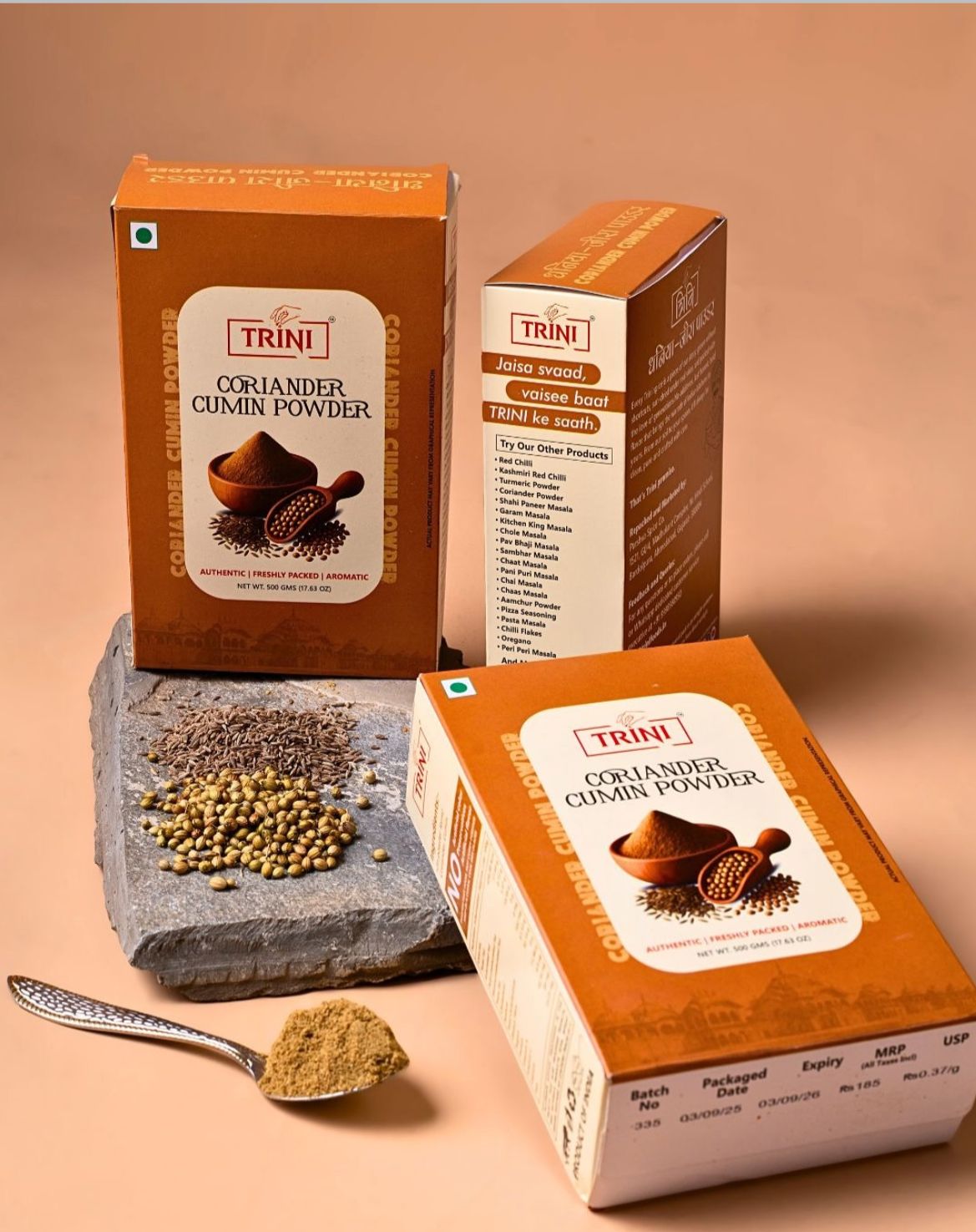
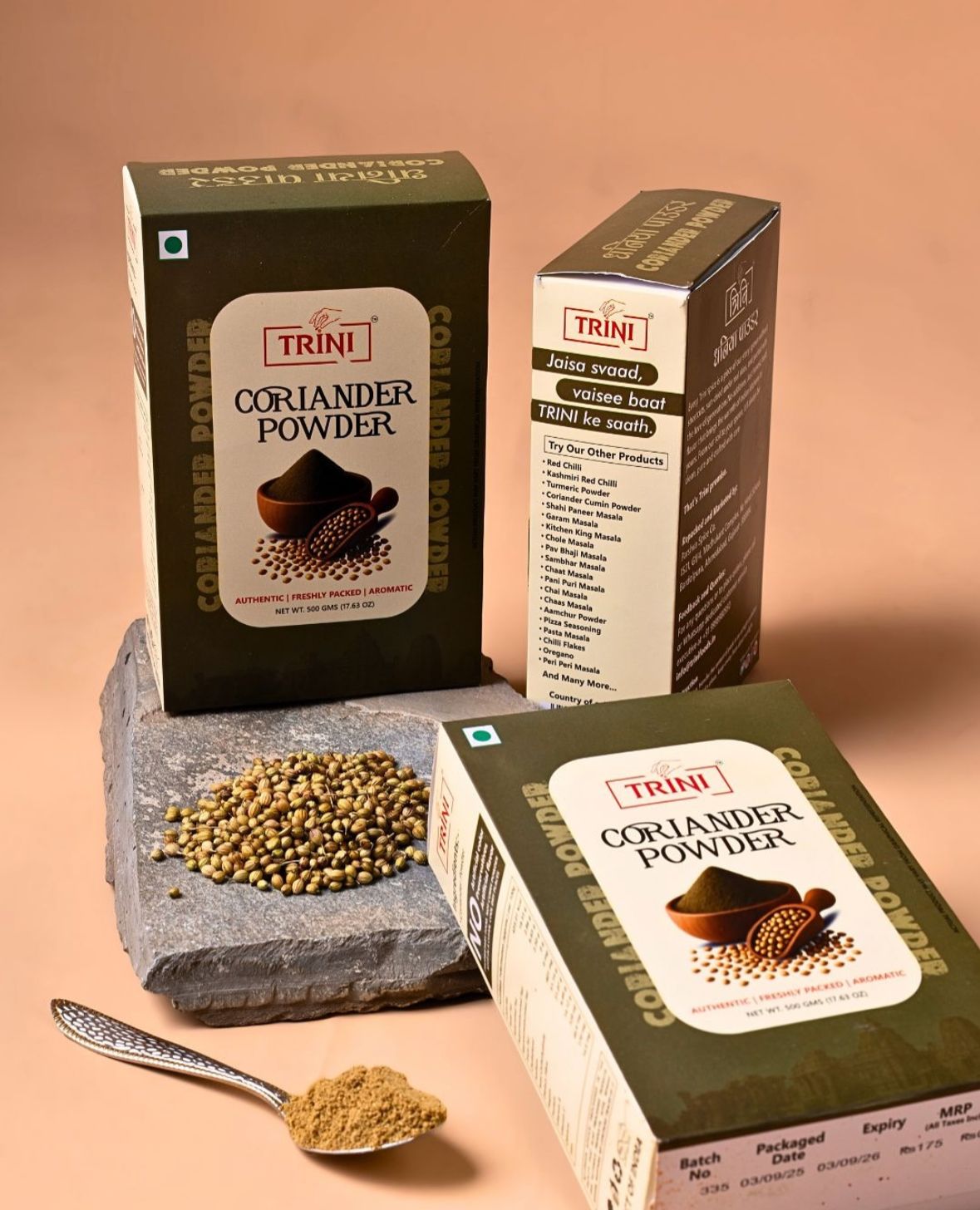
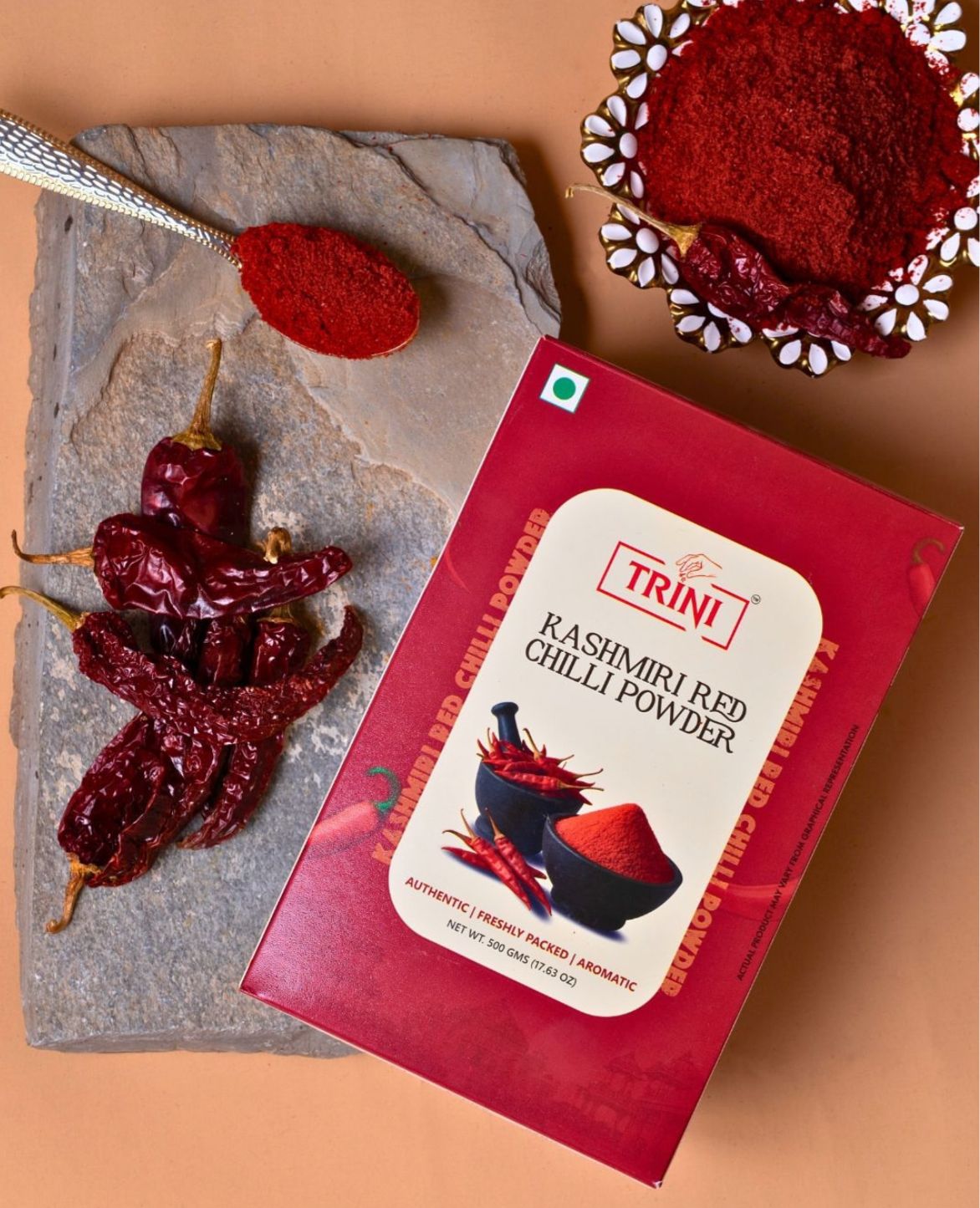
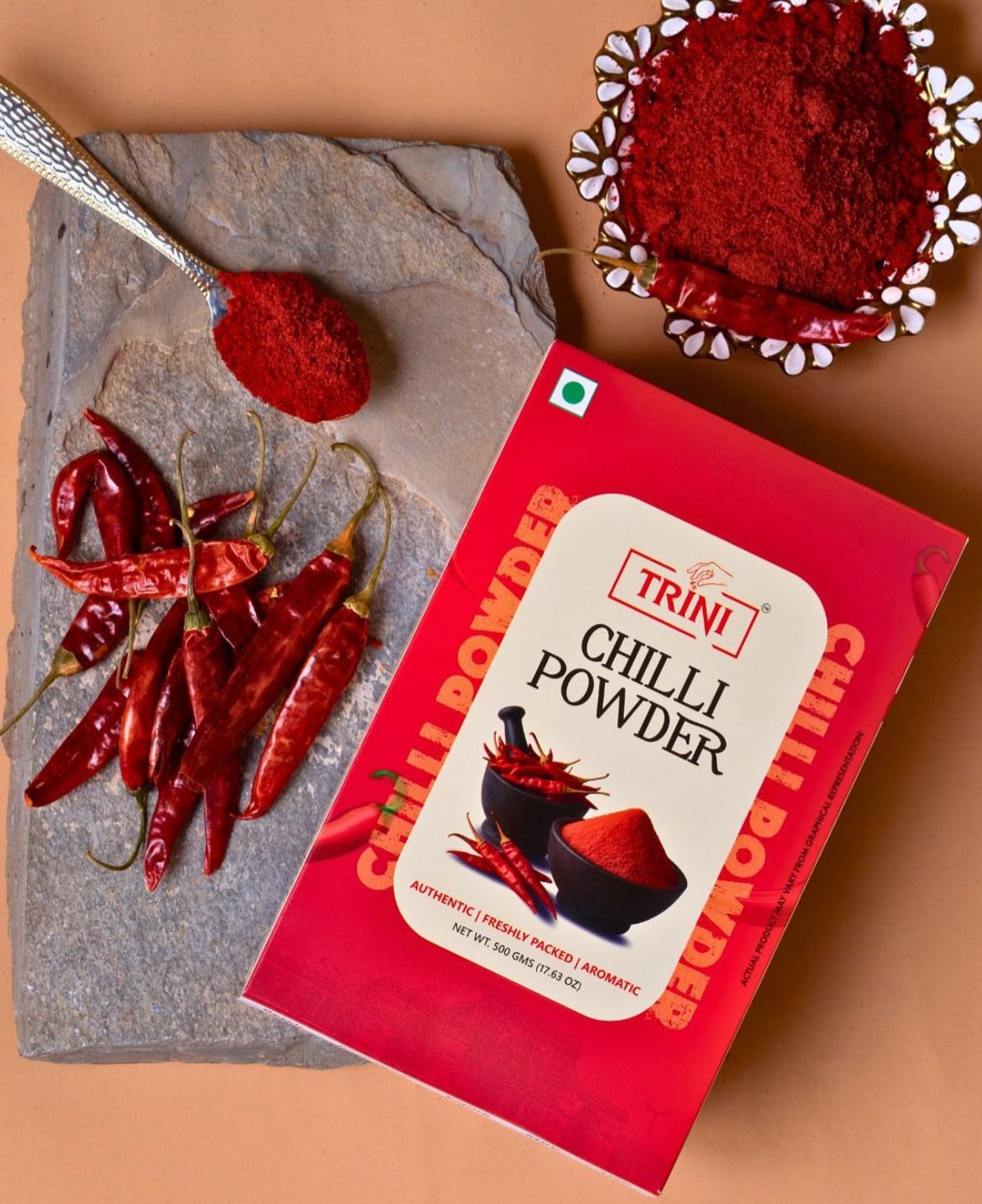
At Trini, traditional spice making isn’t just inspiration—it’s a responsibility.
Every product is crafted keeping those time-honored processes in mind:
● Carefully sourced raw spices
● Cleaned and processed with precision
● Balanced blends that respect authentic recipes
● GMO-free and preservative-free, so nothing interferes with natural flavor
The goal is simple:
To bring you spices that feel as close as possible to what was once made at home.
Because authenticity isn’t just about taste—it’s about trust.
A Memory in Every Meal
Some of our earliest memories are built around these very processes.
Spices drying under the sun.
Hands gently sorting and cleaning.
The rhythmic sound of grinding.
The aroma of roasting filled the air.
Back then, food wasn’t rushed. It was crafted.
Every step carried intention. Every meal carried meaning.
And even today, when life moves faster and kitchens look different, that essence still matters.
Because at the end of the day, what we’re really looking for isn’t just flavor.
It’s a connection.
To our roots. To our traditions. To the feeling of home.